Orthodox Christianity is life in communion with the Father, through Jesus Christ, in the Holy Spirit. The Creed gives a shared confession of that faith; worship, repentance and love make it part of daily life.
6 minute read
The historic Sinai icon of Christ Pantocrator. Source / credit · Saint Catherine Monastery, Sinai; Wikimedia Commons, public-domain reproduction
Christian faith includes believing that God is true and learning to trust Him. It involves the mind, the heart and the choices of everyday life. The Gospel’s call to believe is also a call to repent: to turn towards God and learn a new way of living.
Study, questions and careful thought have a place in the life of faith. Alexandria's theological inheritance is a powerful witness to this pursuit of understanding. Christian learning deepens our knowledge of the God whom the Church worships and our response to His love.
One God: Father, Son and Holy Spirit
The Church confesses the Father, the Son and the Holy Spirit as one God. The Son and the Spirit share the same eternal divine nature as the Father. They are not created intermediaries between God and the world.
This confession shapes Christian prayer. The Church gives glory to the Father with the Son and the Holy Spirit, and baptises in their name. The life of the Holy Trinity is the source and fulfilment of the communion Christians seek in worship and in a life transformed by grace.
Creation is a gift
God is the Creator of everything that exists. Creation receives its being from Him and bears witness to His wisdom and goodness. The Church affirms the goodness of the material world and of the human body as gifts of the Creator.
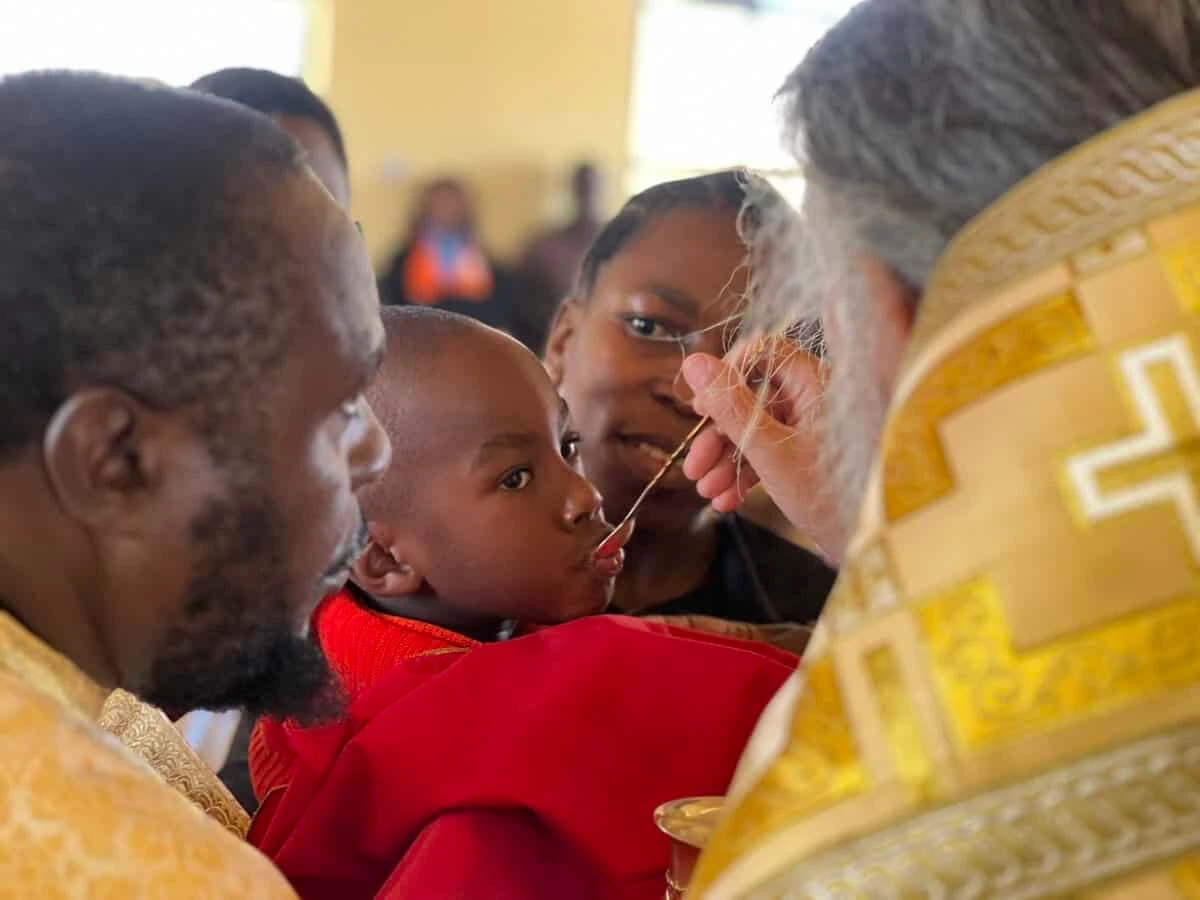
Food, water, oil, bread and wine are received with thanksgiving and used in the Church's sacramental life. Salvation concerns the whole person. Prayer and self-discipline help heal our relationships and guide our use of creation towards gratitude, generosity and love.
Jesus Christ: truly God and truly human
Jesus Christ is the eternal Son and Word of God who became human from the Virgin Mary. He is fully divine and fully human, with a human body, mind and soul. In Him, the Church confesses the union of divinity and humanity in one person.
The Church calls Mary Theotokos because the child she bore is God the Son in the flesh. This title is a confession about Christ’s identity. His divine and human natures are united in one person. The councils’ precise language protects the Gospel’s proclamation that God has truly come among us to save us.
The Cross and the Resurrection
The centre of Christian proclamation is the Crucifixion and Resurrection of Jesus Christ. His death is real, and so is His victory over death. The Church celebrates Pascha as the decisive revelation of that victory and the beginning of humanity’s renewal.
The risen Christ's humanity is glorified, and His Resurrection is the foundation of the Church's hope for the resurrection of all. Christian life is lived in that hope through repentance, the struggle against sin and participation in the life He gives.
The Holy Spirit and the gift of new life
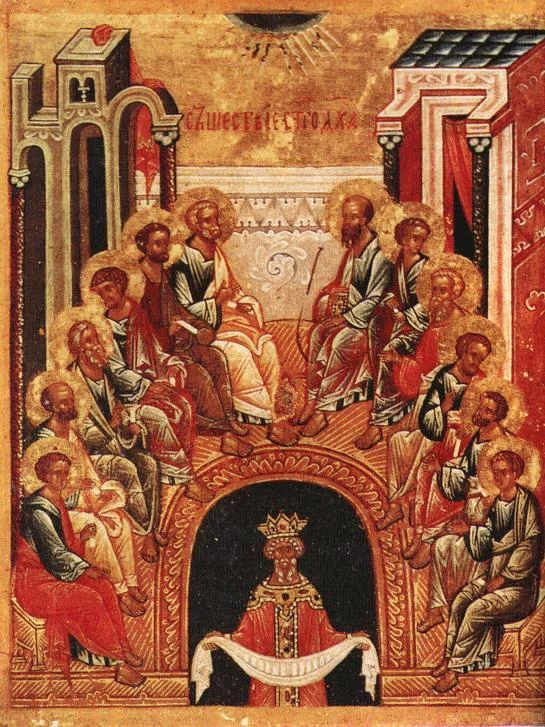
The Holy Spirit is eternal and divine, worshipped together with the Father and the Son. The Creed names Him as the giver of life. He inspired the prophets and came upon the disciples at Pentecost.
The Church lives by this gift of the Spirit. Holiness is the transformation of a person in communion with God. Love, patience, kindness, faithfulness and self-control are among the fruits of the Spirit named by Saint Paul. They grow through the relationships and work of daily life.
One, holy, catholic and apostolic Church
The Church is the Body of Christ, gathered into His life through the Holy Spirit. The Creed’s four descriptions belong together. One speaks of unity in Christ; holy names the holiness received from God. Catholic expresses fullness, as well as the Church’s calling to embrace every people. Apostolic names continuity with the Apostles and the mission entrusted to them.
The local community shares a common faith and sacramental life with its bishop and the wider Church. Belonging to the Church involves worship, learning, reconciliation and responsibility for others.
Scripture within Holy Tradition
Holy Scripture stands at the heart of the Church's teaching and prayer. The Gospels and apostolic writings are proclaimed, studied and lived within the community of faith. They belong within Holy Tradition: the living transmission of the apostolic inheritance through the Church.
Holy Tradition includes worship, the councils, the Fathers, the saints and sacred iconography. Through these, the Church hands on the apostolic faith across languages, places and generations. Local customs give expression to that shared life within the cultures where the Gospel takes root.
Why icons have a place in Orthodox worship
An icon is honoured because of the person it represents. Veneration shown before an icon is distinct from the worship owed to God alone. Icons of Christ proclaim that the invisible Word truly became visible in human flesh.
The Church’s use of images thus belongs to its teaching about the Incarnation. Alongside the Scriptures proclaimed and the hymns sung, icons bear witness to Christ and to the holiness of those who live in Him.
The resurrection of the dead and the life to come
The Creed ends with hope for the resurrection of the dead and the life of the age to come. The Christian promise is the redemption of the whole person and the renewal of creation in communion with God.
This hope gives weight to present life. Care for people, faithfulness in suffering, the pursuit of peace and the rejection of sin belong to a world created and loved by God. The Church learns to live now in expectation of the fullness of His Kingdom.