
A life of learning and pastoral service
Basil was born around 330 into a Christian family in Cappadocia. His education included study at Athens, where his friendship with Gregory the Theologian became an important part of his life. The search for a faithful Christian way of living brought learning together with ascetic practice and the responsibilities of community.
He became Bishop of Caesarea around 370 and served until his death in 379. These years belonged to a demanding period in the Church’s reception and defence of the faith confessed at Nicaea. Basil’s letters show a bishop concerned with teaching, relationships among churches, and the practical care of the people entrusted to him.
Teaching about the Holy Spirit
In On the Holy Spirit, Basil examines the language through which Christians confess, glorify and worship God. He pays close attention to Scripture and to the Church’s prayer. The place of the Holy Spirit in Baptism and worship is central to his account of Christian life.
The work invites a reader to see the relationship between precise theological language and lived faith. What the Church says about God shapes its worship, its understanding of salvation and its hope for the transformation of human life. Reading a chapter alongside its biblical references offers a patient beginning.
Sources: Saint Basil — On the Holy Spirit
Prayer, work and care for neighbours
Basil helped shape forms of ascetic life rooted in community, shared responsibilities and attention to the commandments of Christ. Prayer and the reading of Scripture belonged with work and care for other people. His pastoral legacy also includes organised provision for those who were poor or sick.
This unity of worship, learning and practical love helps explain his continuing importance. A parish can study his teaching while asking how its own prayer is expressed in relationships and responsibilities. The Christian community becomes a place where the gifts of different people serve a shared life.
Begin reading Basil
Start with a short section of On the Holy Spirit, keeping the biblical references open. Notice the question being addressed and how Basil connects the Church’s language of prayer with the confession of faith. Discuss unfamiliar words before drawing a conclusion from an isolated sentence.
The Church remembers Basil on 1 January and together with Gregory the Theologian and John Chrysostom on 30 January, the feast of the Three Holy Hierarchs. His name is also associated with the Divine Liturgy celebrated on appointed days within the Church year.
Sources: Saint Basil — On the Holy Spirit
Sources and further reading
- Saint Basil — On the Holy Spirit
Continue exploring
Read further
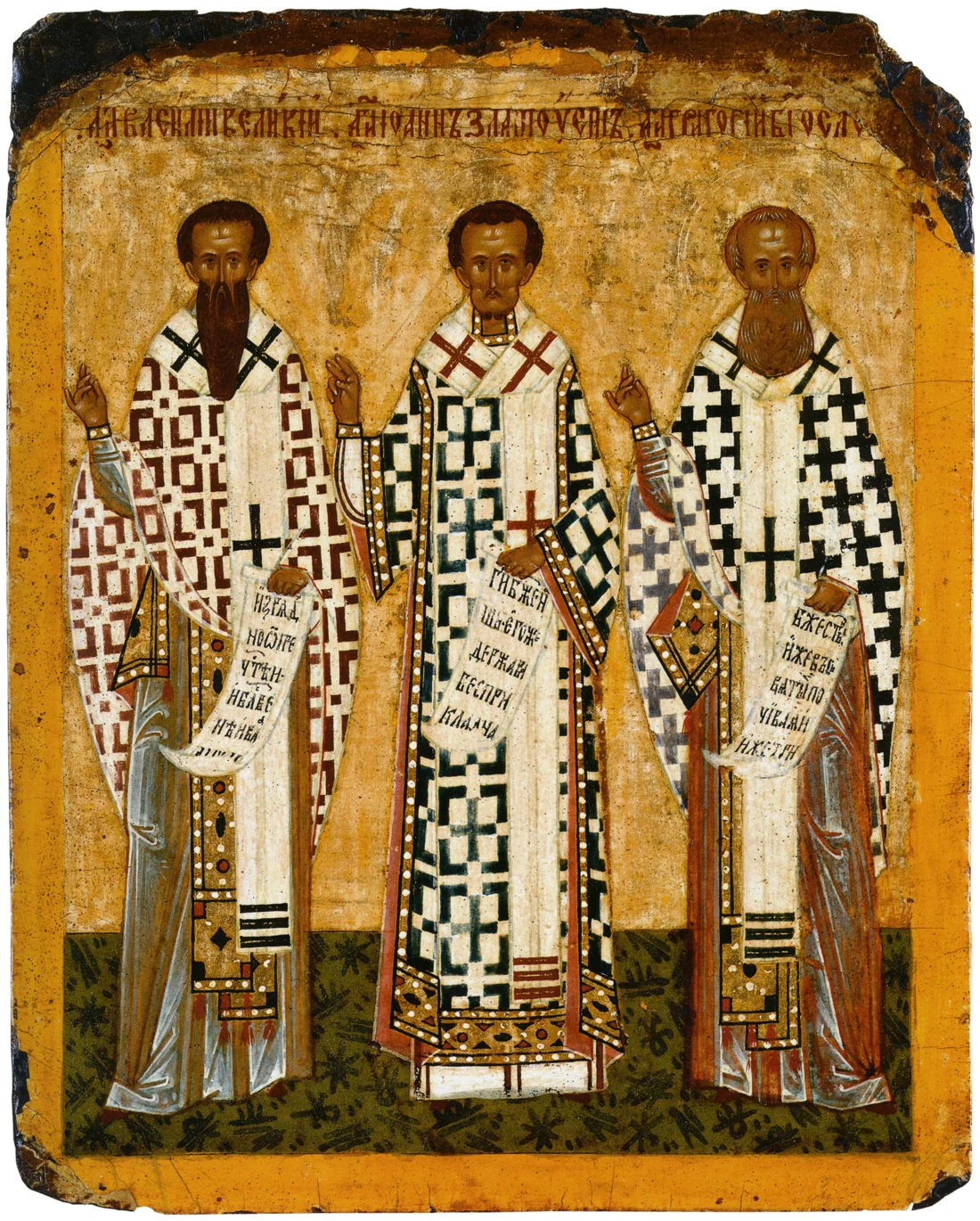
The Church Fathers
The Fathers help the Church read Scripture, confess Christ and practise the Christian life. Their theology grew through preaching, worship, spiritual struggle and pastoral care. Alexandria holds a central place in that inheritance.
Read more →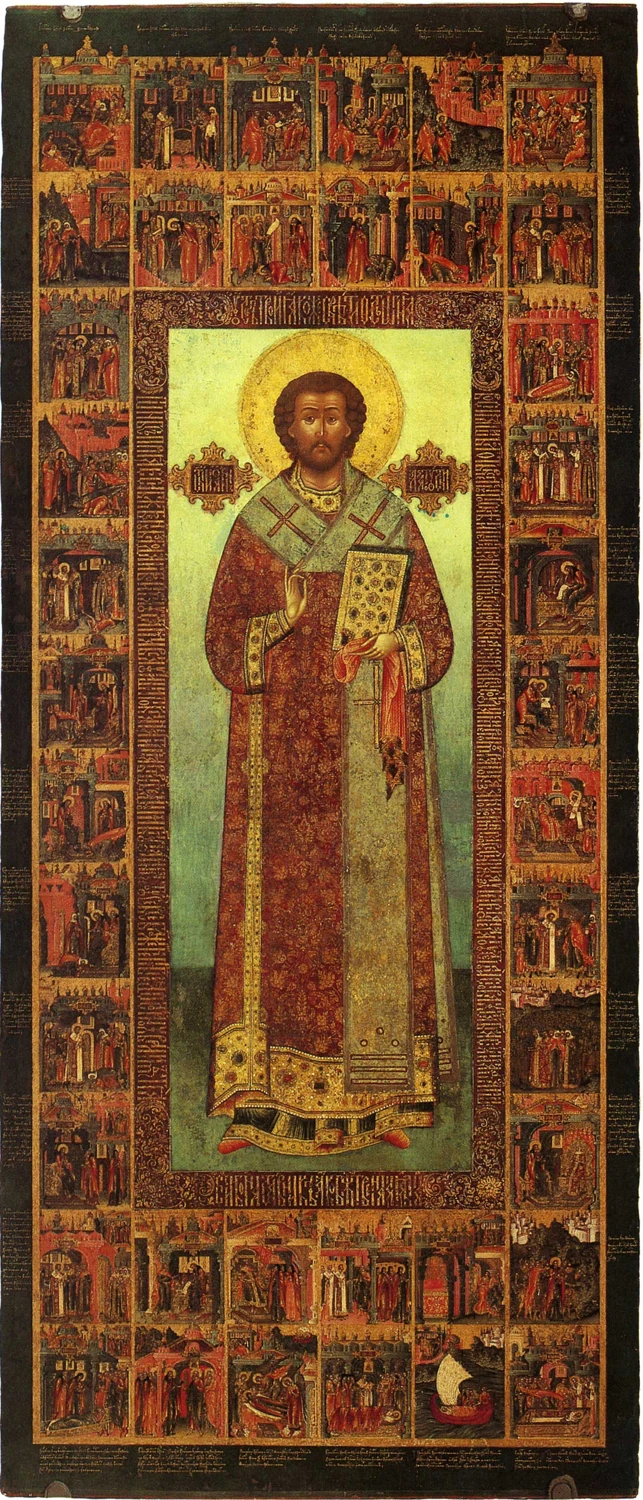
Saint John Chrysostom
Saint John Chrysostom brought the Scriptures into sustained conversation with the life of his hearers. Priest in Antioch and Archbishop of Constantinople, he remains one of the Church’s great preachers and teachers of Christian responsibility.
Read more →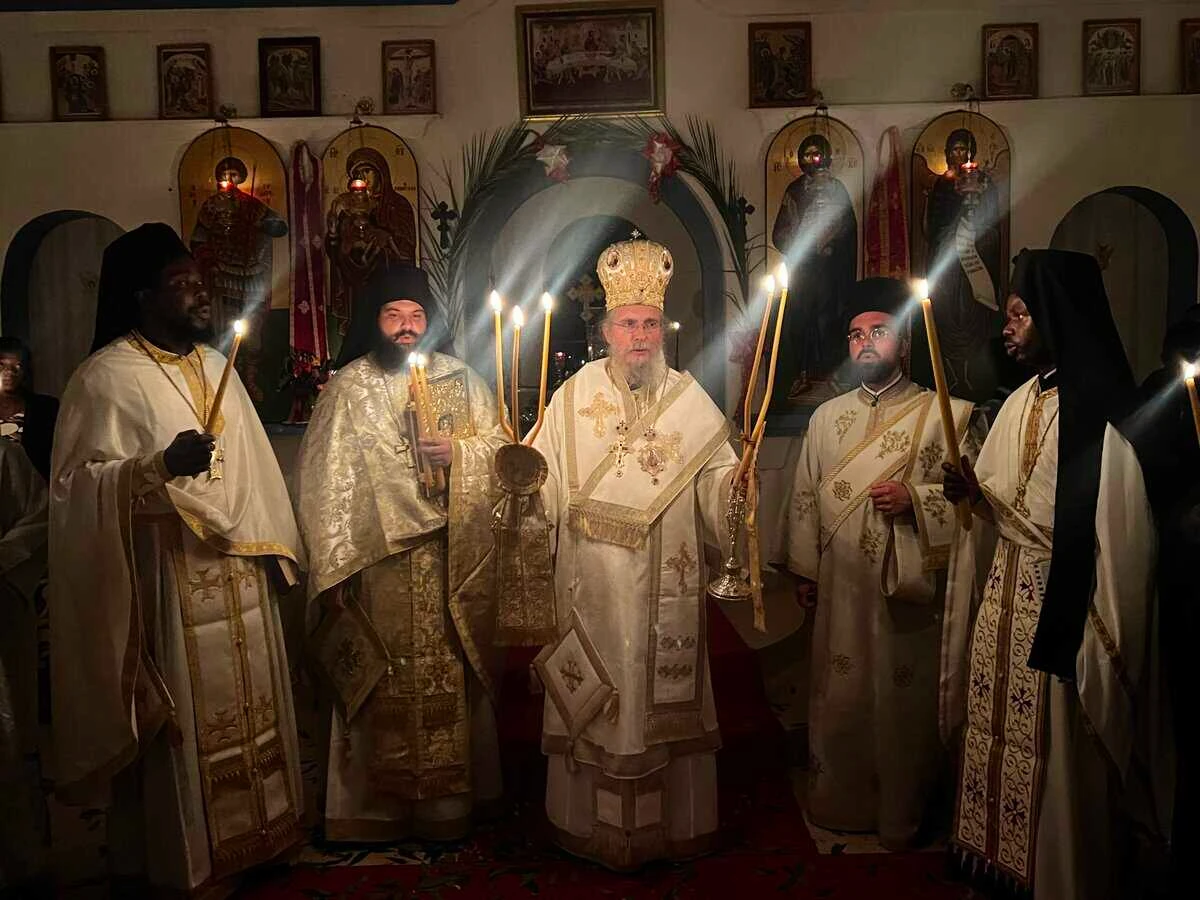
The Divine Liturgy
The Divine Liturgy gathers the Church to hear God’s Word, offer thanksgiving and receive the life of Christ in the Eucharist. Its prayers and movements lead from gathering to Communion, and from Communion into a life of witness and service.
Read more →