On this page
- Why the Church calls them mysteries
- Baptism: dying and rising with Christ
- Chrismation: the gift of the Holy Spirit
- The Eucharist: communion in Christ’s Body and Blood
- Confession: repentance and reconciliation
- Holy Unction: prayer for healing
- Marriage: a shared life blessed in Christ
- Holy Orders: ministry within the Church
- Taking a practical next step
Why the Church calls them mysteries
Orthodox Christians commonly speak of seven sacraments: Baptism, Chrismation, the Eucharist, Confession, Holy Unction, Marriage and Holy Orders. The name holy mysteries reminds us that their deepest reality is God’s gift of communion with Himself.
The whole life of the Church is directed towards sanctification in Christ. The mysteries draw believers into that life through particular gifts of grace, while prayer, blessings, service and daily faithfulness extend the response to God throughout ordinary life.
Baptism: dying and rising with Christ
Baptism is entry into the new life of Christ. The New Testament connects it with repentance, forgiveness and participation in His death and Resurrection. The baptismal water belongs to the goodness of creation, now received as the place of new birth by water and the Holy Spirit.
The rite includes the renunciation of evil, the confession of faith and immersion three times in the name of the Father, the Son and the Holy Spirit. The white garment expresses the new life received in Christ. Through Baptism a person is incorporated into His Body, the Church.
Chrismation: the gift of the Holy Spirit
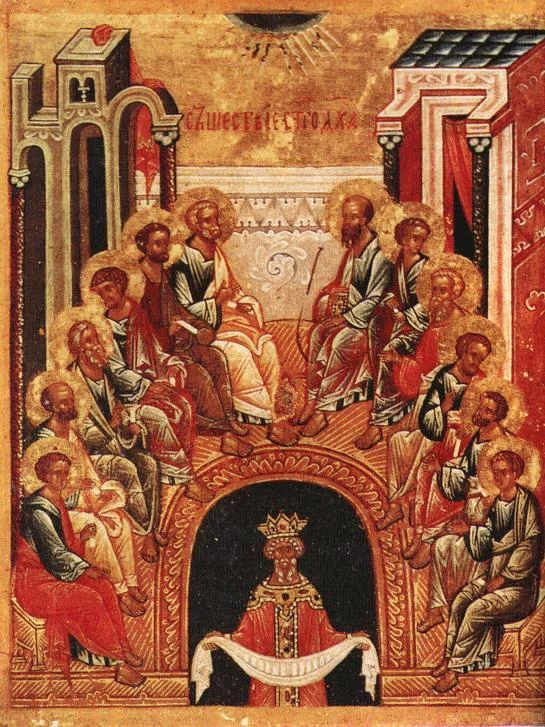
In Chrismation the newly baptised person is anointed with holy chrism and receives the gift of the Holy Spirit. As Baptism is participation in Christ’s Pascha, Chrismation is connected with Pentecost: the Spirit equips a person to live the life received from God.
The mysteries of initiation belong together. In the Orthodox tradition, Baptism and Chrismation lead to participation in the Eucharist, including for infants. Christian belonging is thus received as a whole life in the Church, with the ongoing responsibility to grow in faith, prayer and love.
The Eucharist: communion in Christ’s Body and Blood
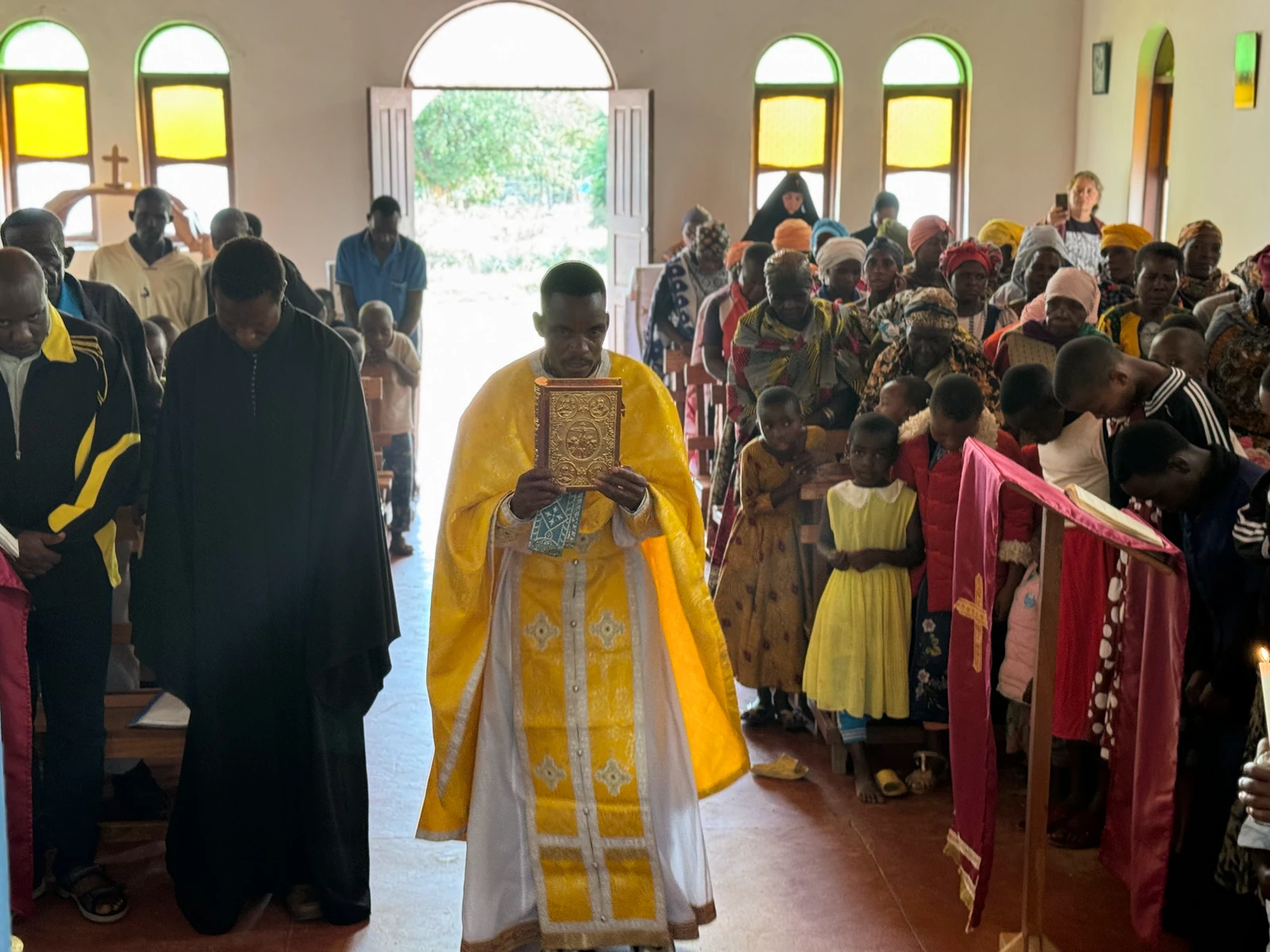
The Eucharist stands at the centre of the Church’s life. Its name means thanksgiving. In the Divine Liturgy the Church gathers, hears the Scriptures, offers thanksgiving and receives Christ’s Body and Blood.
Through the Holy Spirit, the risen Christ gives Himself to His people in the Eucharist. The Church confesses His real presence in the gifts and receives Holy Communion as communion with God and with one another in Him.
Receiving such a gift calls for faith, repentance and reconciliation. The Eucharist also sends believers back into daily life with responsibility for the people with whom they share Christ’s life. A visitor or a person returning after a long absence should seek the priest’s guidance about preparation.
Confession: repentance and reconciliation
Confession, also called the mystery of repentance, is a return to communion with God after sin. It brings together sorrow for wrongdoing, an honest acknowledgment of sin and the Church’s prayer of absolution. Forgiveness comes from God through Christ.
The priest offers pastoral guidance and the Church’s prayer of reconciliation. Repentance includes sorrow for sin, a sincere desire to change, the repair of relationships where possible and a return to the life offered in Christ. The mystery is a source of hope and mercy.
Holy Unction: prayer for healing
In Holy Unction the Church prays for the sick and anoints them with blessed oil, following the apostolic instruction in James 5. The mystery asks for healing, forgiveness and strength in suffering.
The prayer for healing is offered in trust in God, together with the prayer that His will be done. The Church brings the whole person before Him, seeking restoration, forgiveness and the grace to endure suffering in communion with Christ. Holy Unction is offered to the sick throughout the course of illness.
Marriage: a shared life blessed in Christ
In Christian Marriage the union of husband and wife is offered to God and blessed within the Church. Their love is called to reflect Christ’s self-giving love for His people, and to grow through faithfulness, sacrifice and mutual care.
The crowning expresses both the dignity of marriage and the witness it asks of the couple. Their vocation embraces work, responsibility, hospitality and, where children are given, their loving care. Through this shared life they learn a lasting communion in Christ.
Holy Orders: ministry within the Church
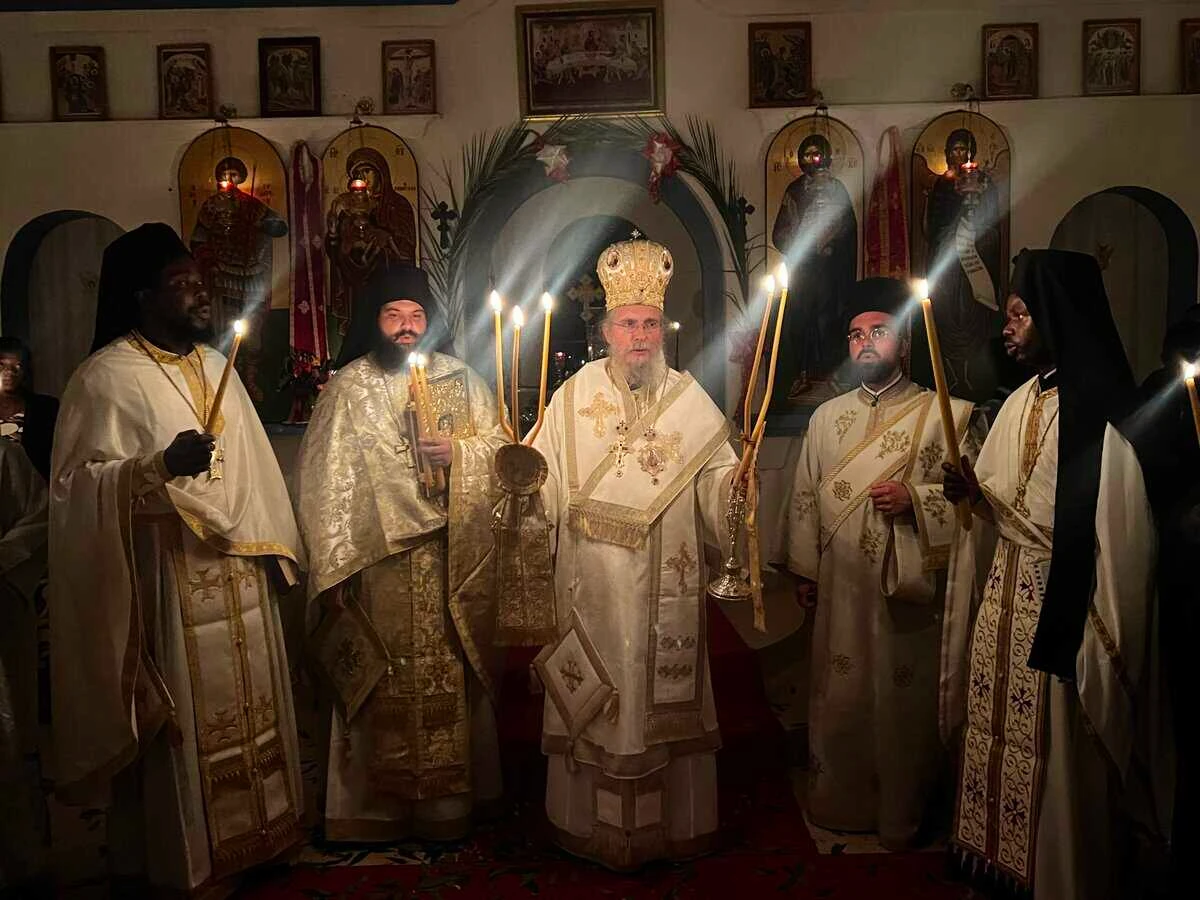
Through ordination, bishops, priests and deacons receive a particular ministry in the Church. Christ remains its living head, shepherd and high priest. Ordained ministry serves His presence and action among His people through teaching, sacramental life and pastoral care.
The bishop bears responsibility for the unity and faith of the local Church in communion with other bishops. Priests serve the communities entrusted to them under their bishop. Deacons serve within its worship and wider life. Each ministry contributes to the good of the whole Body.
Taking a practical next step
The mysteries are received within a relationship with the Church. Someone enquiring about Baptism, returning to Confession, preparing for Marriage or seeking prayer in illness can begin with a conversation with a priest.
Such a conversation connects the meaning of the sacrament with the person’s actual life. Preparation includes learning, prayer and repentance; it also involves the practical arrangements appropriate to the particular mystery. The parish and Archdiocese provide that local guidance.
Continue exploring
Read further