

Before travelling
Choose a community from the parish directory and confirm the service day, time and precise location. This is especially helpful where a priest serves several communities or worship takes place at a mission station.
Say that this is your first visit and ask where to enter, whom to meet and which language will be used. Mention practical needs such as seating, access or travelling with young children so the community can explain the arrangements.
Entering the church
You may see people light candles, make the sign of the cross, bow or kiss an icon. These are expressions of prayer and reverence. Enter quietly, take time to observe and ask a parish member about the meaning of anything unfamiliar.
Icons direct attention to Christ and to the saints whose life is in Him. Veneration honours the person represented; worship belongs to God alone. The guide to icons explains their connection with the Incarnation and the Church’s councils.
Following the service
The Divine Liturgy includes prayers, litanies, hymns, Scripture readings and the Eucharistic offering. Much of the service is sung or chanted. Listening to the readings and repeated responses is a good way to begin following its movement.
Many people stand for substantial parts of worship. If you need to sit, care for a child or step outside, ask a parish member for help. Before your visit, the community can explain its seating and access arrangements.
Holy Communion and the blessed bread
Holy Communion expresses the Orthodox Church's faith and sacramental unity and involves preparation. It is received by Orthodox Christians within the Church's pastoral discipline. Visitors are welcome to attend the service and should speak with the priest about Communion and any personal questions.
Some services conclude with the distribution of blessed bread, often called antidoron. The priest or a parish helper can explain this blessing and how visitors may take part.
Children, families and consideration for others
Children grow into the life of worship through familiarity, example and participation. Bring the practical things your family needs and ask a parish member where you can settle comfortably. Kindness to families and respect for prayer belong together.
Ask permission before taking photographs or recording. A parish helper can explain where visitors normally stand or sit and how to move considerately during the service.
After worship
After the service, introduce yourself and ask about a conversation, a class or another visit. Arranging a suitable time with the priest allows space for the questions you want to discuss.
Continue with a Gospel reading, an introductory article or another visit. Bring a question from the service to your next conversation. Familiarity with the community grows through these small steps of learning and relationship.
The main movements of the Liturgy
The service unfolds through a shared movement of prayer. In its first part, the congregation hears hymns, petitions and readings from the Apostles and the Gospel. A homily opens the meaning of the Scriptures and their bearing on Christian life. Following the words being proclaimed is a good way to begin finding your place in the service.
The Church then offers the Eucharistic thanksgiving. The gifts of bread and wine are brought forward, the Creed is confessed, and the priest leads the great prayer of offering and thanksgiving. The Lord’s Prayer, Holy Communion and the prayers of thanksgiving lead towards the dismissal. These moments become more familiar through repeated visits and conversation with the parish.
A practical first-visit checklist
A little preparation helps you arrive ready to listen. Parish buildings and village travel routes vary, so the local contact is the best person to explain the meeting place and that day’s arrangements.
- Confirm the service date, starting time and exact church entrance.
- Ask which languages will be used and whether a service text is available.
- Allow time for the journey and for introducing yourself on arrival.
- Mention any access requirements or practical help you would find useful.
- After the service, ask how to meet the priest or join an introductory conversation.
Let the first visit lead to a relationship
Afterwards, remember one thing you heard, one thing you found unfamiliar and one question you would like to explore. Bring those questions to a parish member or the priest. A conversation about a hymn, an icon or a Gospel reading can become the beginning of a much deeper understanding.
You can continue by reading a Gospel, learning the structure of the Liturgy and returning to worship with the same community. If you wish to prepare for entering the Church, ask about catechesis. Learning takes shape through people who pray together and help one another to live what they believe.
Continue exploring
Read further
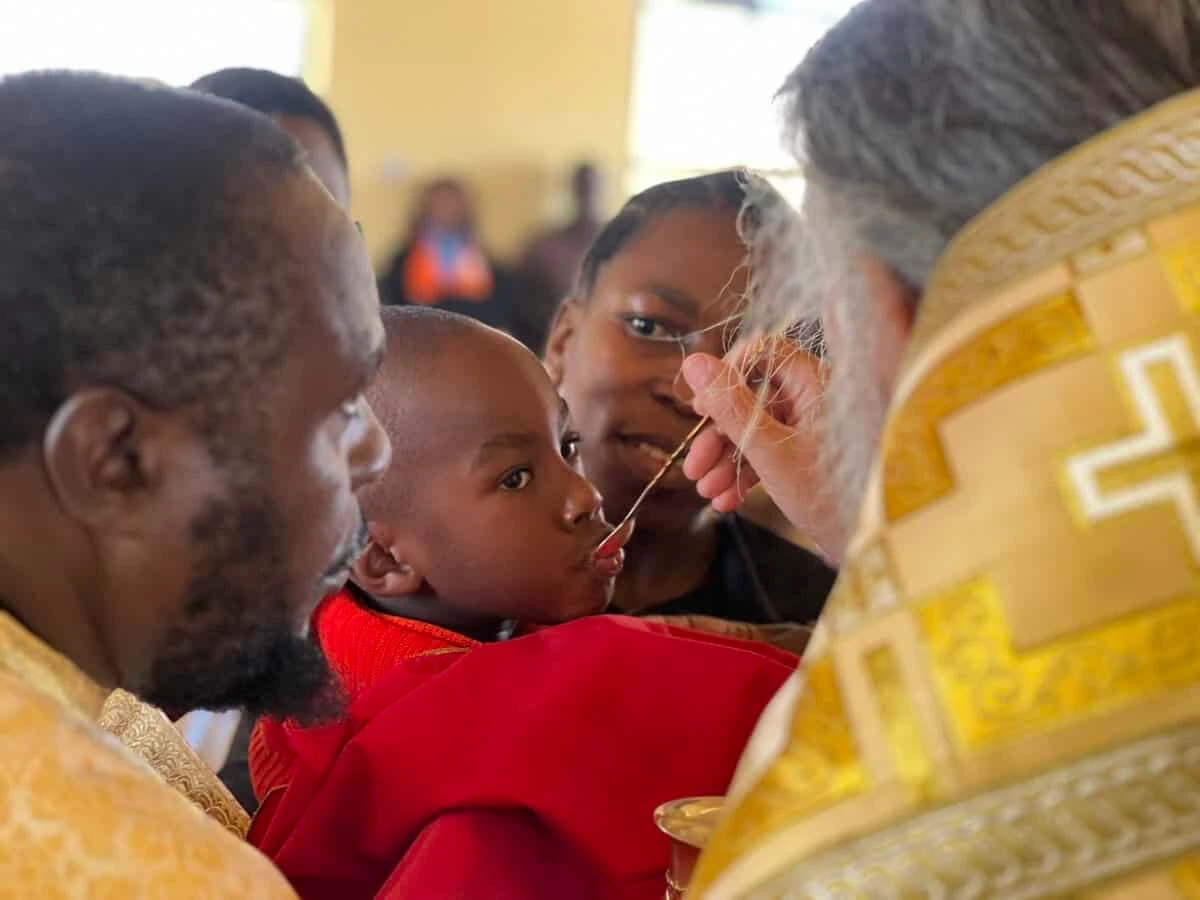
The Eucharist and sacramental life
The sacraments are encounters with the saving life of Christ in the Holy Spirit. Through them the Church receives new birth, communion, forgiveness, healing and the grace to serve. They belong within the whole life of faith and worship.
Read more →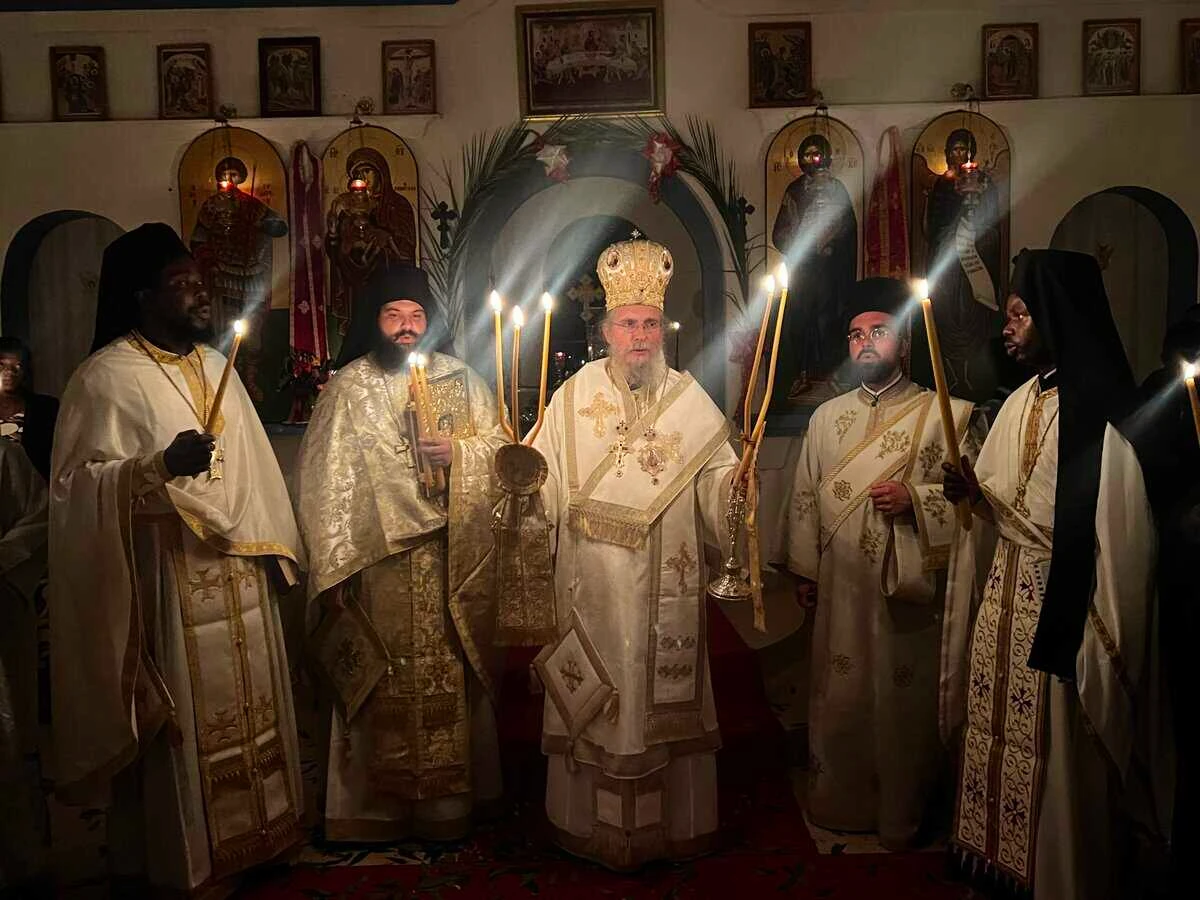
Read about the Divine Liturgy
The Divine Liturgy gathers the Church to hear God’s Word, offer thanksgiving and receive the life of Christ in the Eucharist. Its prayers and movements lead from gathering to Communion, and from Communion into a life of witness and service.
Read more →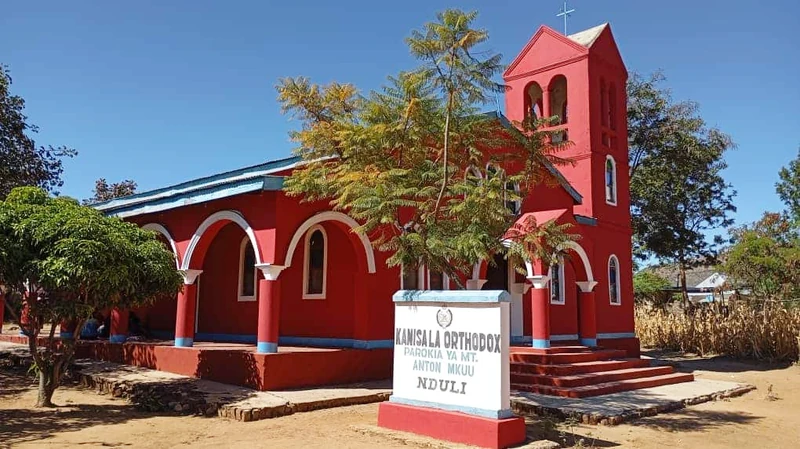
Find a parish
A parish is a community gathered in Christ. Use the directory to find a place to worship, learn about its community and prepare for a visit.
Read more →