
A preacher formed in Antioch
John was born around 347 and grew up in Antioch. His formation included the study of rhetoric and a demanding period of ascetic life. As a priest he became known for sustained preaching on Scripture and for the force with which he addressed the spiritual and social responsibilities of his congregation.
The name Chrysostom means Golden Mouth. His sermons guide readers through biblical passages while asking how the teaching is to be lived: in a household, in the use of wealth, in relationships with neighbours and in the responsibilities of a Christian community.
Archbishop, reform and exile
In 398 John became Archbishop of Constantinople. His ministry brought the same concern for preaching and Christian conduct into the setting of the imperial capital. His efforts at reform and his relationships with powerful figures became part of a period of severe conflict.
He was sent into exile and died in 407. The Church receives his witness through its remembrance of his life, his extensive writings and the liturgical tradition associated with his name. The Divine Liturgy of Saint John Chrysostom is celebrated throughout much of the Orthodox year.
Hearing Scripture and meeting Christ in a neighbour
In Homily 50 on Matthew, John follows the Gospel account of Christ praying apart and the disciples struggling on the sea. He attends to the circumstances of the passage and draws out their bearing on prayer, trust and spiritual growth. The sermon shows how closely his pastoral teaching follows the movement of a biblical text.
Later in the same homily, he brings reverence for Christ into the treatment of people in need. Care for the Church’s worship and care for a suffering neighbour belong within the same Christian responsibility. The sermon gives a searching text for a parish studying the relationship between liturgy and mercy.
Sources: Saint John Chrysostom — Homily 50 on Matthew
How to begin with his homilies
Choose a Gospel passage and read the sermon together with it. Mark where John explains a phrase, where he addresses his hearers directly, and where he asks for a change in their lives. Keep those different movements in view as you read.
The full icon on this page surrounds the saint with scenes from his life. It gives a visual companion to the biography: the teacher remembered within a story of worship, ministry, hardship and witness. His teaching continues to invite close reading of Scripture and concrete attention to the person before us.
Sources: Saint John Chrysostom — Homily 50 on Matthew
Sources and further reading
- Saint John Chrysostom — Homily 50 on Matthew
Continue exploring
Read further
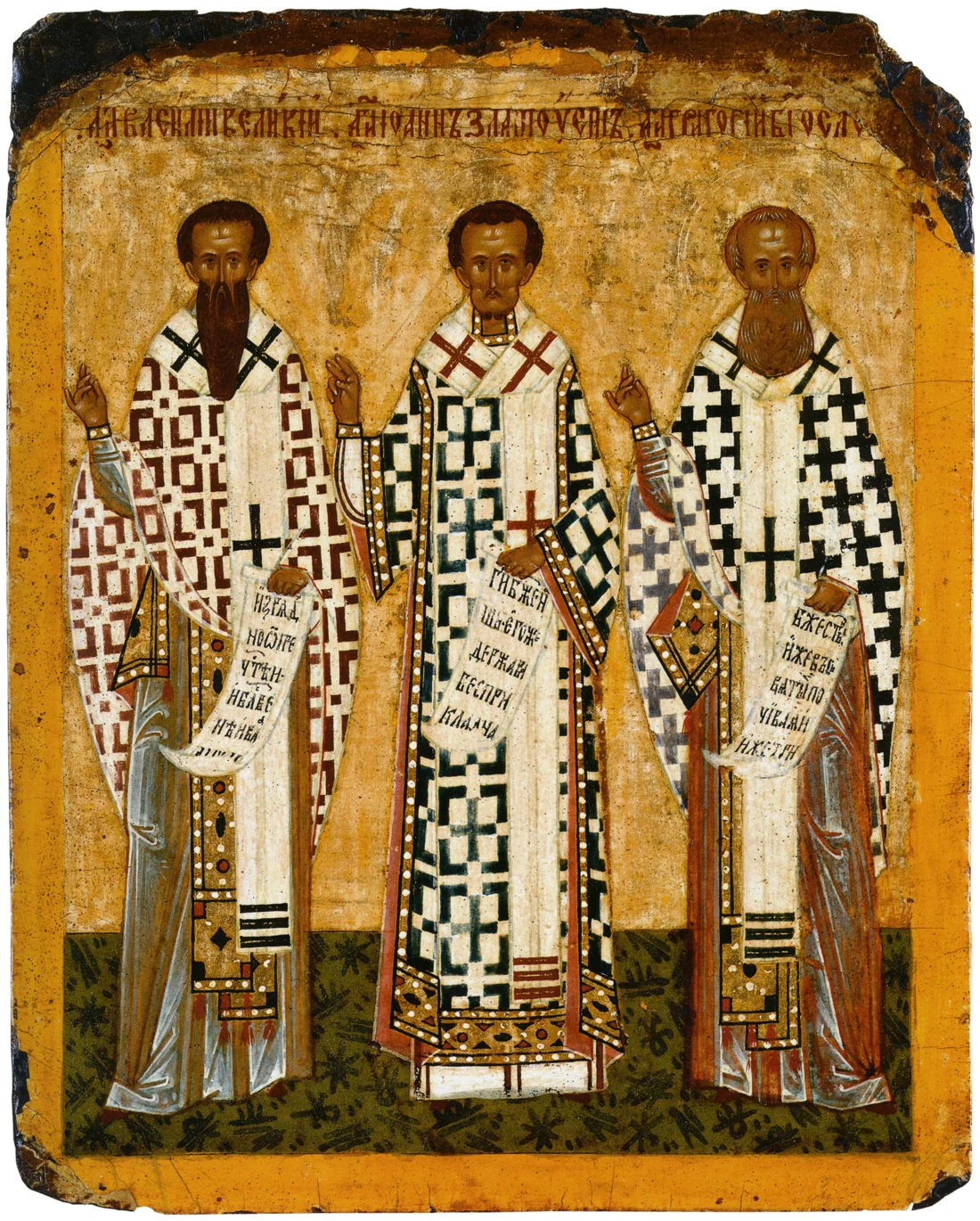
The Church Fathers
The Fathers help the Church read Scripture, confess Christ and practise the Christian life. Their theology grew through preaching, worship, spiritual struggle and pastoral care. Alexandria holds a central place in that inheritance.
Read more →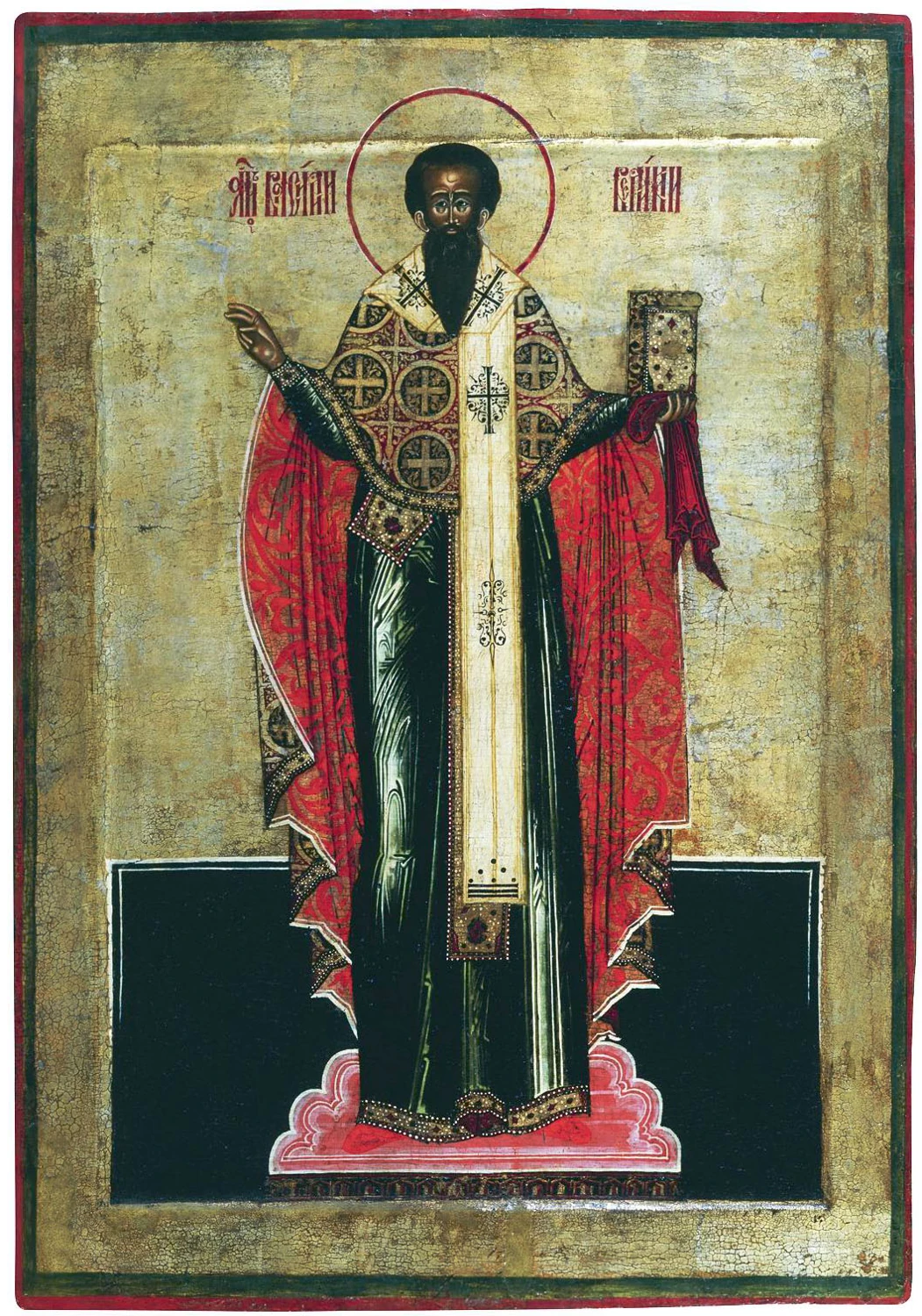
Saint Basil the Great
Saint Basil of Caesarea joined theological clarity with the formation of Christian communities and care for people in need. His teaching on the Holy Spirit, his pastoral writings and his influence on monastic life continue to nourish the Church.
Read more →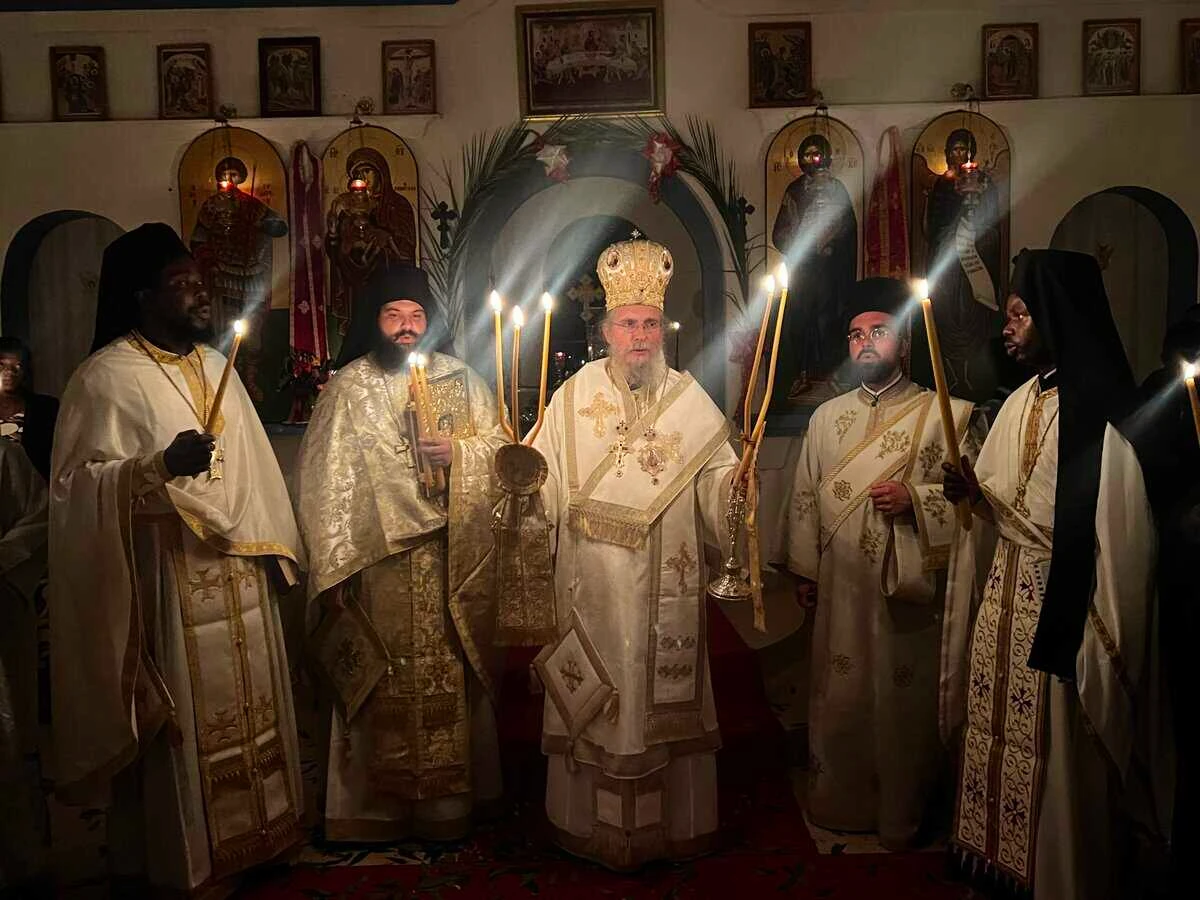
The Divine Liturgy
The Divine Liturgy gathers the Church to hear God’s Word, offer thanksgiving and receive the life of Christ in the Eucharist. Its prayers and movements lead from gathering to Communion, and from Communion into a life of witness and service.
Read more →