The Fathers help the Church read Scripture, confess Christ and practise the Christian life. Their theology grew through preaching, worship, spiritual struggle and pastoral care. Alexandria holds a central place in that inheritance.
The holy Fathers are saints recognised by the Church as faithful teachers of the Gospel. Some defended the faith in public controversy; others taught through biblical commentary, preaching or guidance in prayer. Their writings are called patristic, from the word for father.
The Fathers bear witness to the faith received and lived by the Church. Their works open the Scriptures, explain the confession of the councils and guide the spiritual life. Reading their sermons, letters and commentaries brings us into the questions and pastoral responsibilities through which their teaching took shape.
Alexandria: a meeting place of Scripture and learning
Alexandria was a major centre of Christian teaching in the second and third centuries. The catechetical tradition associated with Pantaenus, Clement and Origen brought the interpretation of Scripture into conversation with the intellectual culture of the Mediterranean world.
Clement, who died around 215, explored how learning and philosophy could prepare a person to recognise the truth of the Gospel. His place in early Christian literature helps explain the breadth of Alexandrian teaching.
Origen: influence and discernment
Origen, who lived approximately 185–254, produced an extraordinary body of biblical scholarship. His Hexapla compared forms of the Old Testament text, while his commentaries and On First Principles helped shape later theological study.
The Church's later doctrinal controversies rejected speculative teachings associated with Origen and later Origenists, including the pre-existence of souls and an inevitable restoration of all rational beings. His scholarly influence and the debate over these teachings form important parts of his historical reception.
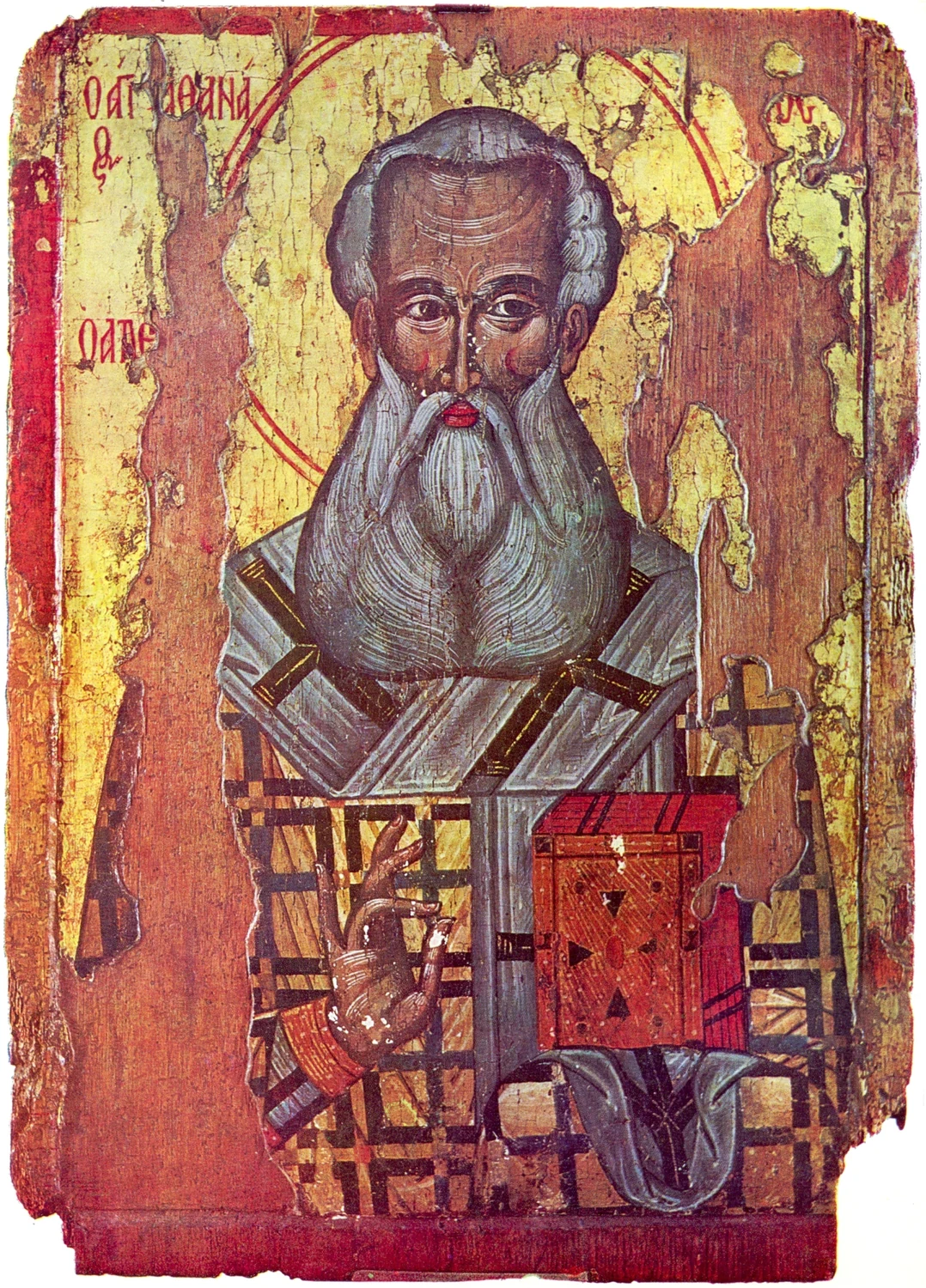
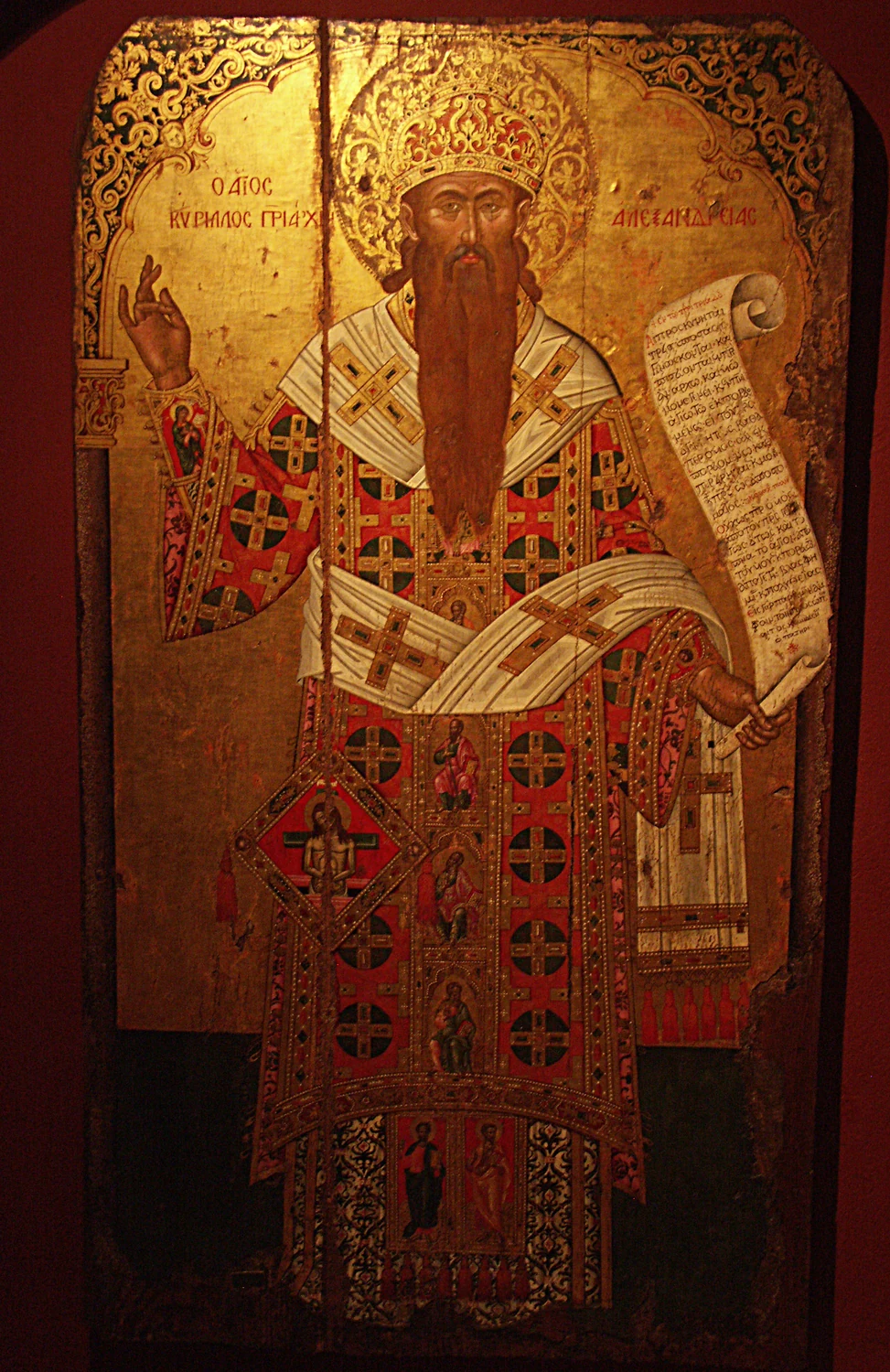
Saint Athanasius of Alexandria, holding the Gospel and blessing, in a late-seventeenth-century icon from Sozopol. Source / credit · Unknown iconographer, late seventeenth century, Sozopol; Bulgarian National Art Gallery; Wikimedia CommonsSaint Cyril of Alexandria in episcopal vestments, in the 1654 icon by Emmanouil Tzanes. Source / credit · Emmanouil Tzanes, 1654, Antivouniotissa Museum; photograph ChristianeB; Wikimedia Commons · CC BY-SA 3.0
Saint Athanasius of Alexandria
Saint Athanasius attended the Council of Nicaea in 325 as a deacon with his bishop. He became one of the strongest defenders of its confession that the Son shares the Father's divine essence. Across five exiles, he continued to write, teach and support the churches. He died in 373.
In On the Incarnation, Athanasius connects the creation of the world through the Word with its renewal through the same Word. God's saving action is the loving work of the Creator, who rescues humanity from corruption and death and brings it into communion with Himself. The identity of Christ stands at the heart of this account of salvation.
Sources: Saint Athanasius — On the Incarnation of the Word
Saint Cyril of Alexandria
Saint Cyril led the Alexandrian Church from 412 until his death in 444. His central place in the Council of Ephesus in 431 is connected with his insistence that Jesus Christ is one person: the divine Word who truly became human.
The title Theotokos belongs to that confession. Mary gave birth in the flesh to the eternal Son; she did not give origin to His divinity. Cyril’s concern was to avoid a division between a divine Son and a separate human subject. His teaching therefore directs attention to Christ Himself whenever the Church honours His Mother. The later Council of Chalcedon received this insistence on one Christ while expressing clearly the fullness of both His divinity and humanity.
Basil and Gregory: theology for the life of the Church
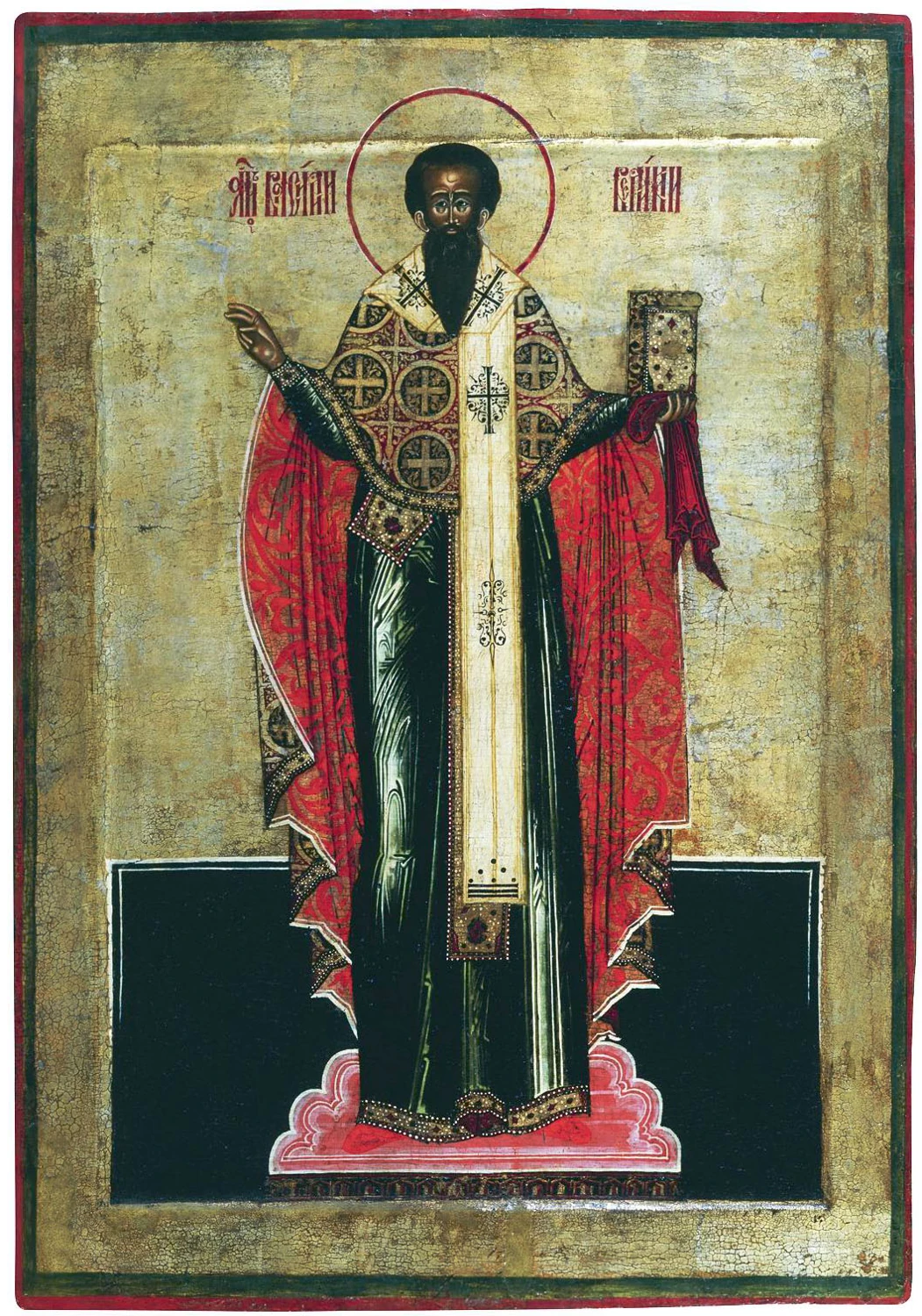
Saint Basil the Great, who lived approximately 330–379, defended the divine honour of the Holy Spirit through Scripture and the Church’s worship. His On the Holy Spirit shows how doctrine is expressed in prayer and sacramental life. He also guided monastic communities, keeping ascetic practice connected to the life and oversight of the Church.
Saint Gregory the Theologian, who died in 389, opposed the idea that the divine Word replaced a human mind or soul in Christ. If Christ had not assumed complete humanity, humanity would not have been fully healed. His teaching shows the pastoral stakes of precise language: the Church’s words about Christ protect the reality of human salvation.
Saint John Chrysostom: hearing Scripture and changing life
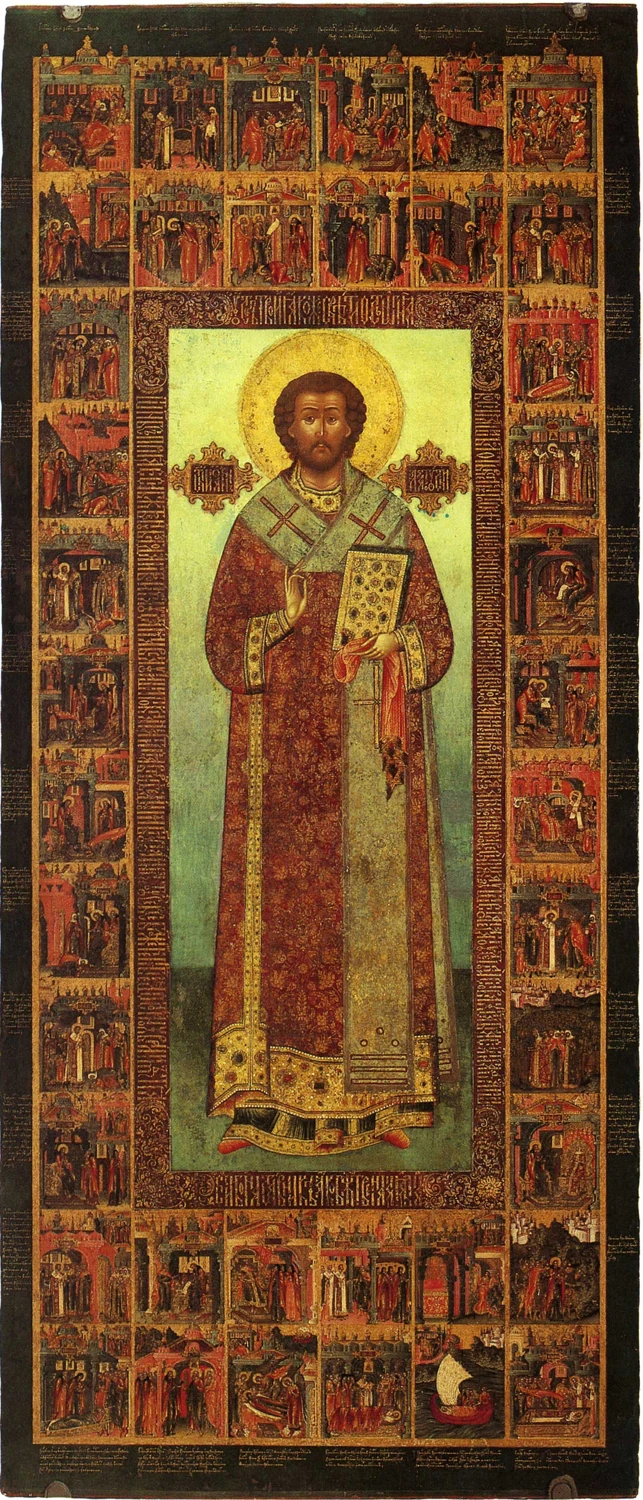
Saint John Chrysostom, approximately 347–407, preached in Antioch before becoming Archbishop of Constantinople in 398. The name Chrysostom means golden-mouthed, reflecting his reputation as a preacher. Many of his homilies follow biblical books closely, moving from the meaning of a passage to its demands on everyday conduct.
His criticism of luxury and display brought conflict with powerful people. He suffered deposition and exile, and died in 407. His life and preaching join the interpretation of Scripture with moral responsibility, concern for others and endurance in suffering.
A way to begin reading
Begin with a manageable text and read slowly. Ask what passage of Scripture is being explained, what problem the author is addressing, and what response is being asked of the reader. A homily by Saint John Chrysostom or the opening of Saint Athanasius’s On the Incarnation can offer a clearer beginning than an isolated quotation taken from a complex controversy.
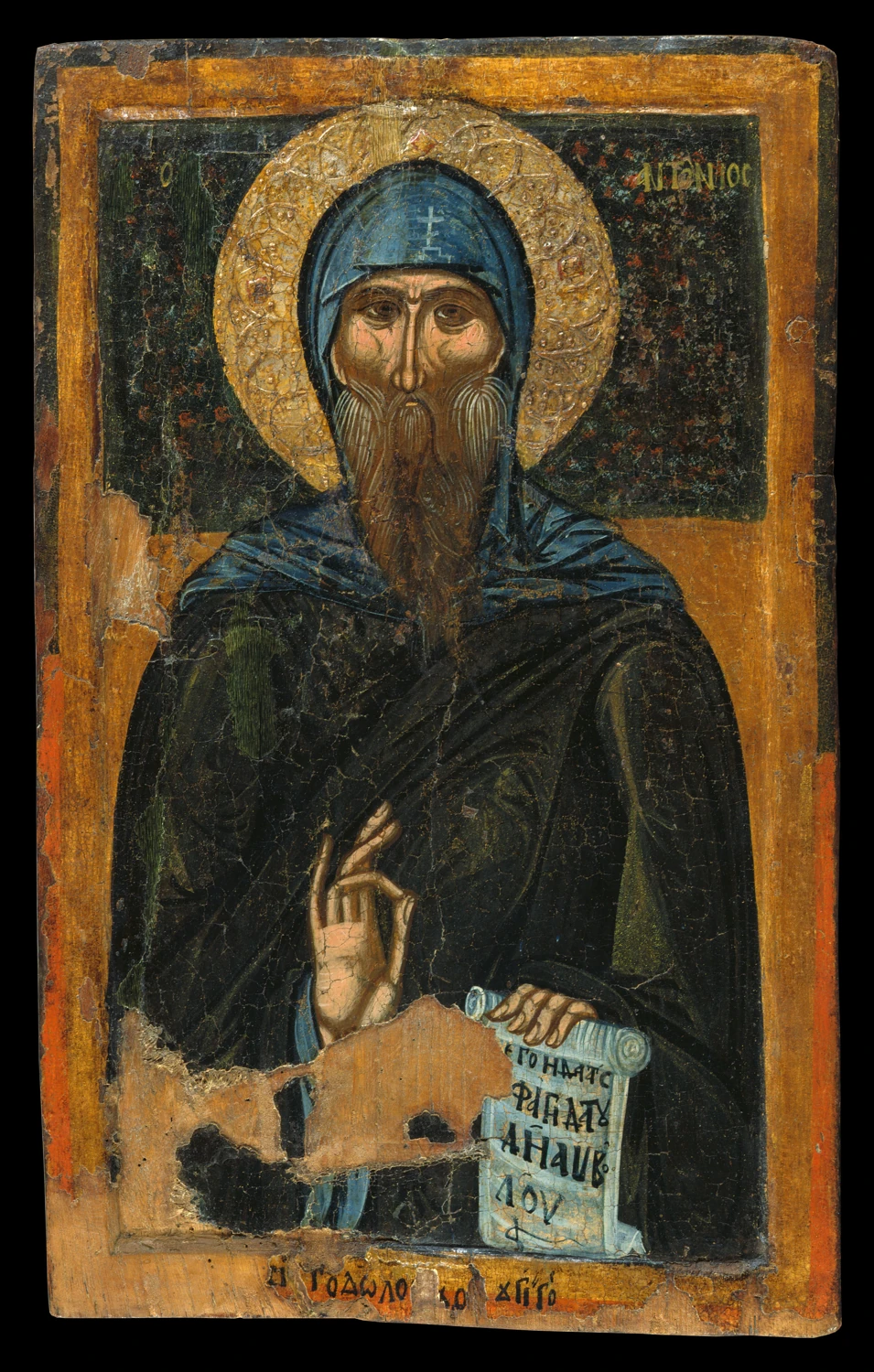
Ascetical instructions often address a particular monastic community. Their wisdom needs thoughtful application in family and parish life. Read with the Church, allowing study to lead into prayer, repentance and love of neighbour.
Sources: Saint Athanasius — On the Incarnation of the Word