
The Orthodox faith
Faith & Tradition
Explore the faith through its confession, history, worship and living witnesses. These subjects belong together: the Church teaches what it prays, and calls its people to live what they receive.
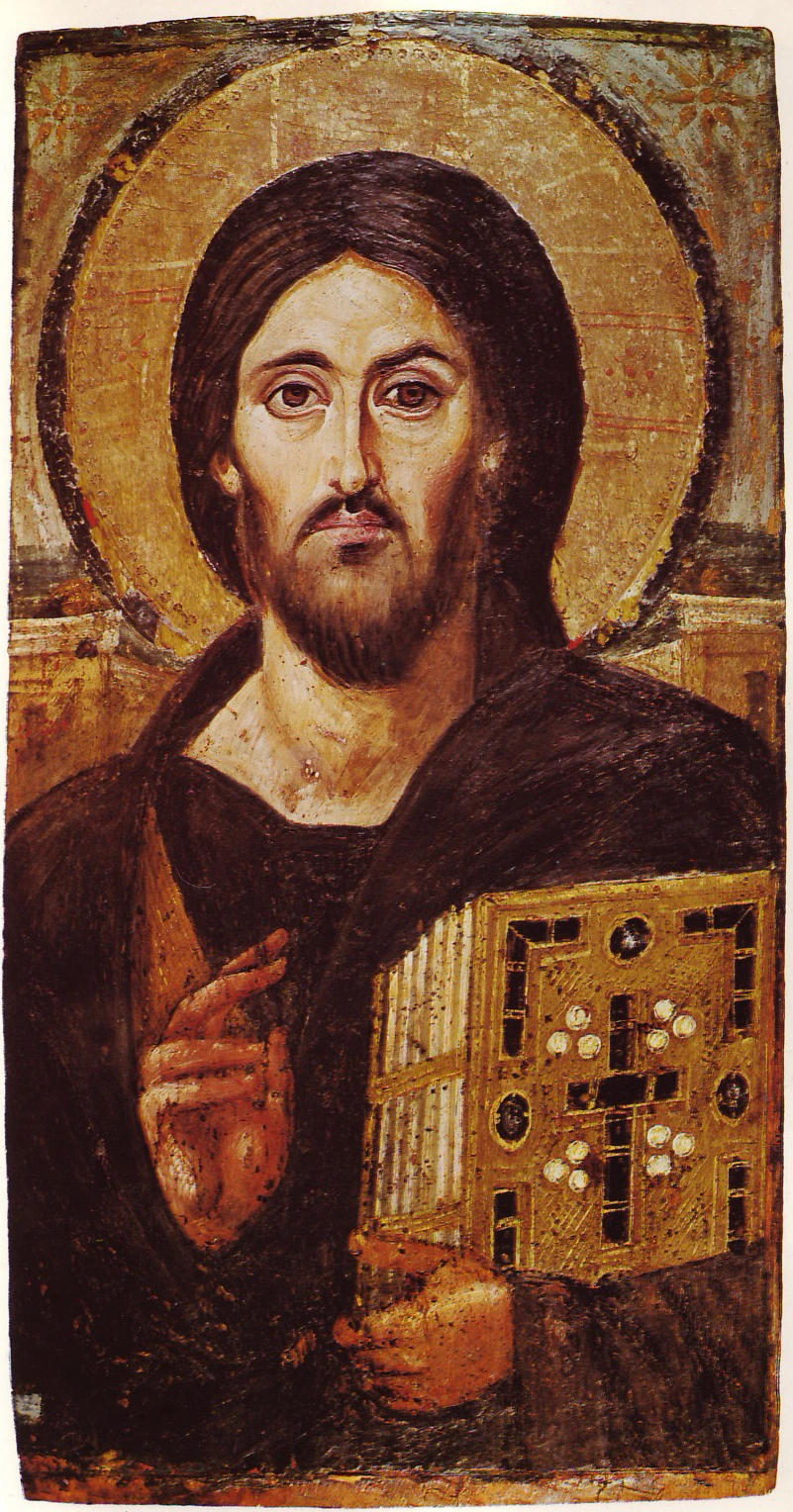
Orthodox Christianity is a life in Christ. We learn the faith through the Gospel, the prayer of the Church, the sacraments and the witness of those who have lived it before us. Questions and understanding grow within that shared life.
From the Apostles to today
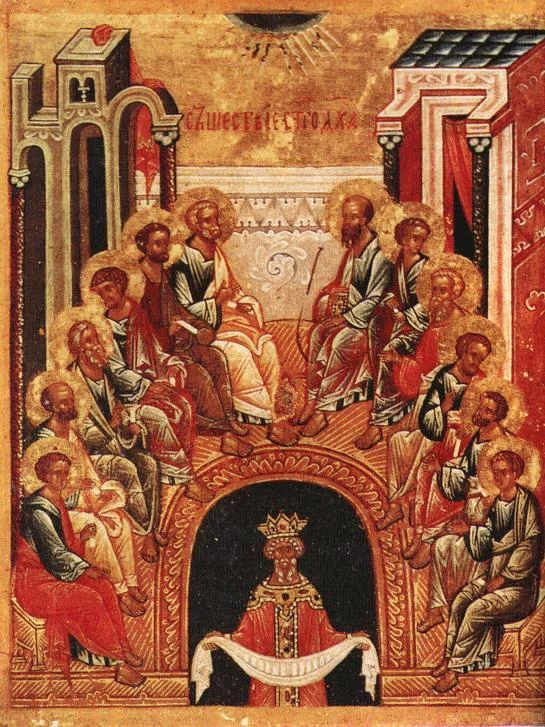
Follow the Church’s history through its early witness, councils and continuing life.
Explore →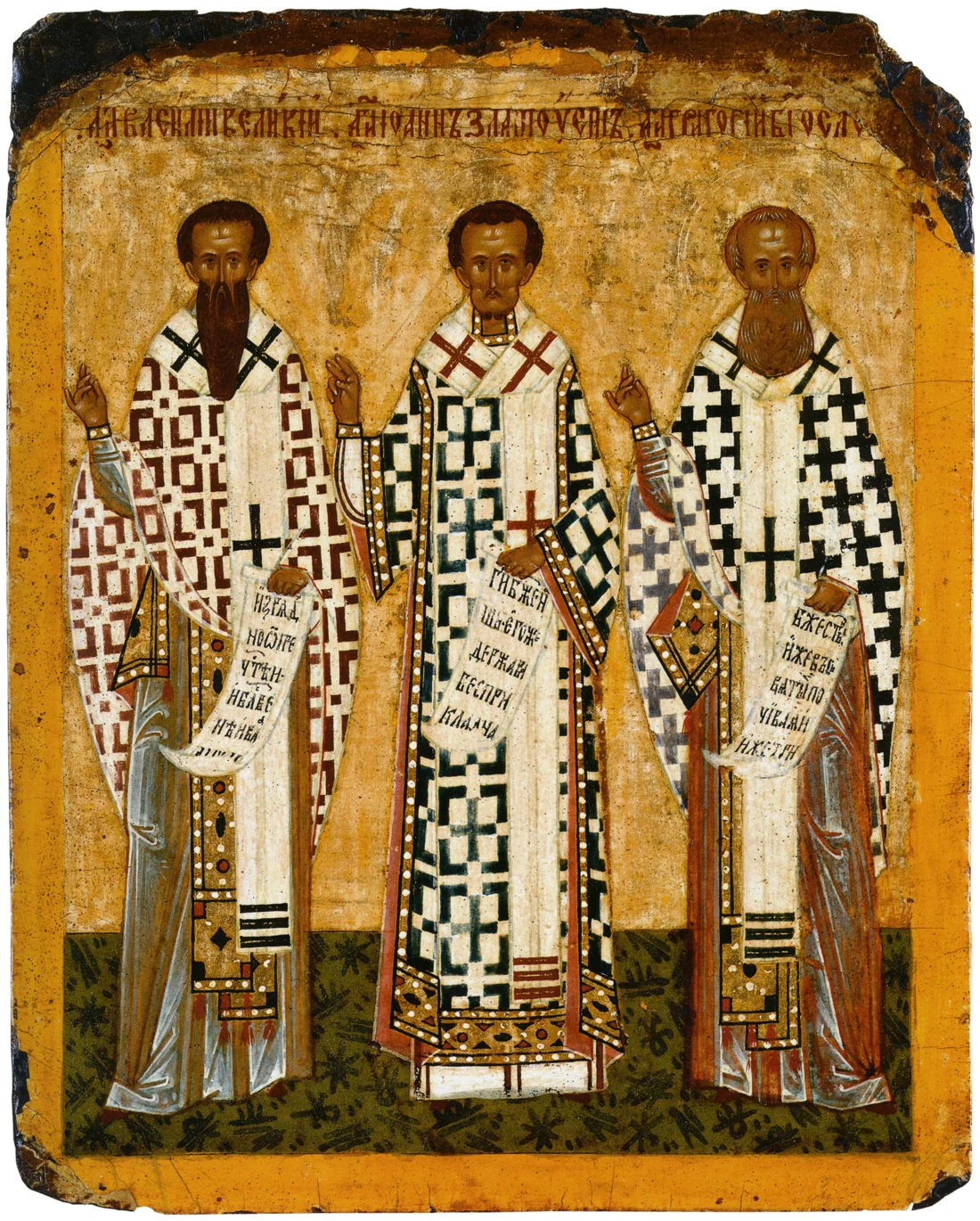
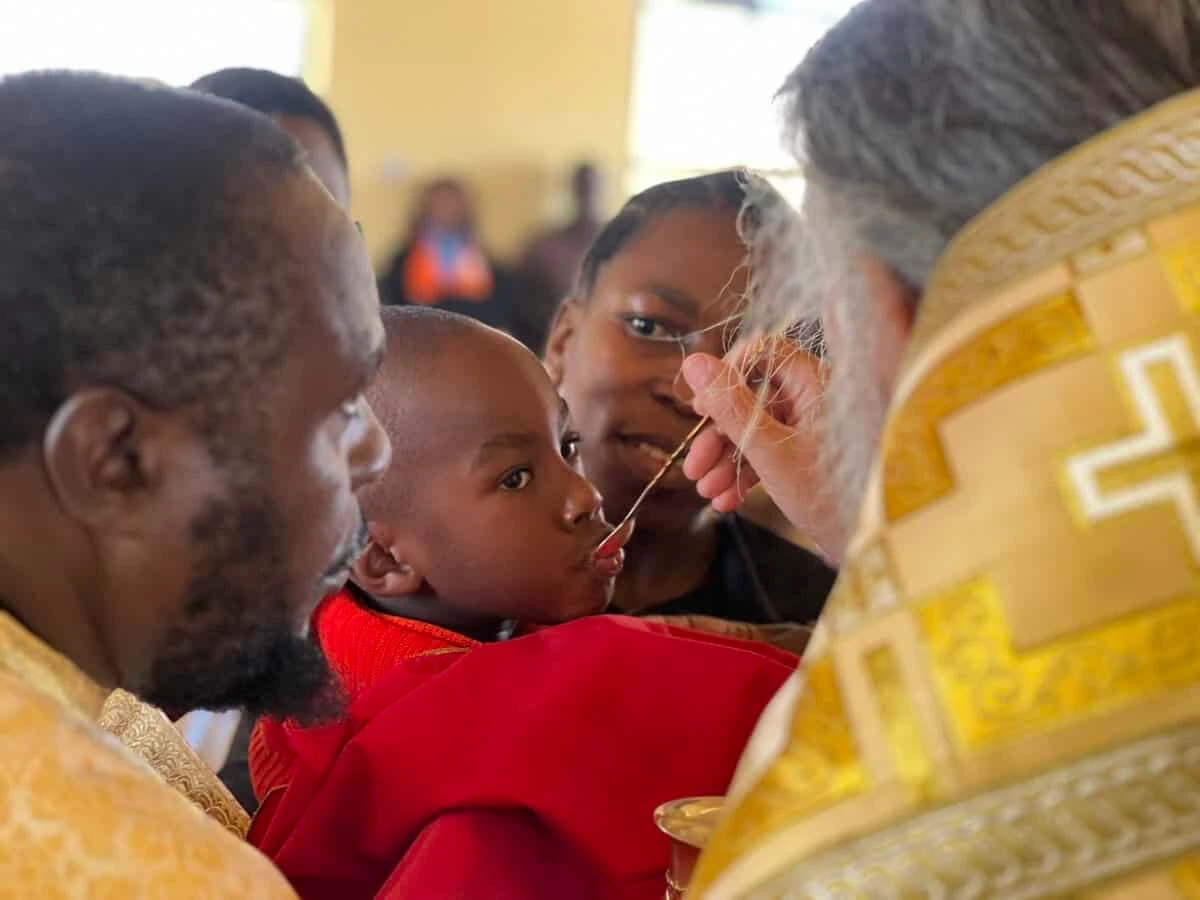
Worship & the sacraments
Explore the sacramental life of the Church and its centre in the Eucharist.
Explore →
Learning a way of life
Orthodox learning begins with the invitation to life in Christ. Doctrine gives words to that life; prayer directs a person towards God; repentance brings conduct under the light of the Gospel. Learning grows through worship and the practice of the faith.
Keep a practical question beside each topic: how does this teaching help a person worship, trust God and love a neighbour? The answer may become clearer over time. The Church’s spiritual life includes thought, bodily action, relationships and ordinary responsibilities.
Begin with the Creed
The Nicene-Constantinopolitan Creed offers a useful starting point. It follows the confession of God the Father, the saving work of the Son and the life-giving Holy Spirit, before speaking of the Church, Baptism, resurrection and the life to come.
Read the guide to belief alongside the Creed. Notice how its statements connect: the Son who creates and sustains the world is the same Son who becomes human for its salvation. A few carefully understood words provide a foundation for later study.
Explore why the councils mattered
The Church’s historical controversies often concerned the meaning of a confession already present in Scripture and worship. The councils asked questions with direct consequences for Christian hope: is Christ truly divine, fully human, and one person? Their answers were intended to protect the reality of salvation.
Use the history article as a map, then return to the explanations of belief. Dates become more meaningful when connected with the questions being addressed. This also helps distinguish a council’s doctrinal teaching from its surrounding political circumstances.
Learn from people who lived the faith
The saints show the faith taking form in different circumstances. Apostles proclaim Christ, martyrs bear witness under persecution, teachers explain the Gospel, and monastic and lay saints seek holiness in their particular callings. Holiness is God’s gift received in real human lives.
The Fathers and monasticism articles introduce witnesses especially important to Alexandria and Africa. Their lives and teaching open paths into prayer, humility, courage and love, with an inheritance that continues to nourish Christian life today.
Let worship give the words their setting
The Church’s teaching is heard and encountered in its worship. Read the sacramental guide to understand Baptism, Chrismation, Communion, repentance, healing and the particular vocations of Marriage and ordained ministry. Then use the Divine Liturgy guide to follow how Scripture, confession, thanksgiving and Communion belong together.
Attend a service as you learn. A hymn, an icon or a biblical passage may make a written explanation clearer. Participation also reveals that the Church’s prayer embraces the needs of others and the whole world.
Bring learning into parish life
A website can help a person prepare questions and find reliable starting points. Growth in the Church also involves relationships: hearing the Gospel with others, receiving pastoral guidance, practising reconciliation and learning to serve.
If you are beginning, choose one introductory article and one modest daily practice, then discuss your questions with a priest. If you already know the basics, revisit a familiar teaching through the Scriptures or the Church’s worship. In either case, allow study to become a more faithful response to Christ.
Continue exploring
Read further
Begin with the Church’s confession
Orthodox Christianity is life in communion with the Father, through Jesus Christ, in the Holy Spirit. The Creed gives a shared confession of that faith; worship, repentance and love make it part of daily life.
Read more →Explore the historical setting
The history of the Orthodox Church begins with Jesus Christ and the Apostles. Its councils, saints, worship and mission tell how the apostolic faith has been confessed and lived through changing languages, societies and historical trials.
Read more →Read about the Fathers
The Fathers help the Church read Scripture, confess Christ and practise the Christian life. Their theology grew through preaching, worship, spiritual struggle and pastoral care. Alexandria holds a central place in that inheritance.
Read more →