

What fasting is for
Christ fasted and taught His disciples to fast. The Church receives this as a means of learning self-control and freedom from habits that dominate us. Bodily restraint can make space for prayer, gratitude and a more attentive response to other people.
Fasting joins abstinence to prayer, repentance and generosity. Its fruit is growth in humility, patience and love: a clearer attention to God and a greater readiness to care for our neighbour.
A common rhythm of fasting and feasting
The Orthodox calendar includes the fasting seasons before Pascha, the Nativity, the Dormition of the Theotokos and the feast of the Apostles Peter and Paul. Wednesdays and Fridays are also normally fasting days, with exceptions in the Church’s festal cycle.
The Church year includes seasons of fasting and feasting. Great Lent prepares for Pascha, the Nativity Fast for Christ's birth, and the Apostles' Fast follows the cycle of Pascha and Pentecost. These seasons give spiritual preparation a shared rhythm within the Church.
Food, simplicity and attention
The traditional discipline includes abstinence from particular foods, according to the day, season and pastoral guidance. A priest can help you learn the practice and begin in a way suited to your circumstances.
Simple meals can reduce preoccupation with food and give more attention to prayer. Fasting also calls for restraint in speech, patience at home and at work, and a renewed effort to turn away from sin.
Sharing with those in need
Almsgiving belongs with prayer and fasting. What is saved through simpler living can become help for someone who lacks food, clothing or other necessities. Giving makes the connection between bodily discipline and love of neighbour concrete.
The Gospel calls for quiet generosity and respect for our neighbour's dignity. Fasting offers an opportunity to share food, time and resources, meeting immediate needs and forming a lasting habit of care.
A rule suited to a real person
The Church’s traditional fasting guidance recognises the need for adaptation in illness, old age and difficult personal circumstances. Fasting should be discussed with a priest when health or other responsibilities affect what is possible. Appropriate care of the body belongs within the Christian life.
Pastoral guidance helps you practise fasting faithfully within your circumstances. Attention to your own repentance, joined to kindness towards others, keeps the discipline directed towards growth in Christ.
Taking a practical next step
Before a fasting season, speak to the priest about a realistic beginning. Choose a regular time for prayer, plan simple meals that fit the guidance received, and decide how to offer some practical help to a person in need.
Return to that commitment when it is interrupted. If the effort reveals impatience, possessiveness or self-importance, bring those discoveries into repentance. Fasting is fruitful when it makes a person more ready to receive God’s mercy and more willing to extend mercy to others.
Recognising the seasons of preparation
Several seasons give fasting its place within the Church year. Their length and relationship to the movable cycle differ. The annual calendar helps locate them, while the parish priest explains the discipline followed locally and the pastoral guidance appropriate to a person’s circumstances.
| Season | Place within the year |
|---|---|
| Great Lent and Holy Week | Preparation for the Passion and Resurrection of Christ. |
| The Apostles’ Fast | Following the cycle of Pascha and Pentecost, before the feast of Saints Peter and Paul. |
| The Dormition Fast | Preparation for the Dormition of the Theotokos. |
| The Nativity Fast | Preparation for the birth of Christ. |
| Wednesdays and Fridays | A regular weekly rhythm, with festal exceptions. |
Isaiah’s call to justice and mercy
Isaiah 58 joins fasting to the treatment of other people. It speaks of releasing those who are oppressed, sharing bread with the hungry, providing shelter and clothing, and responding to the needs of one’s own neighbours. Its teaching gives a demanding social and personal shape to the practice.
Read the chapter alongside Christ’s teaching on prayer, fasting and almsgiving. Consider an act of reconciliation, time given to someone who is isolated, or practical help that meets a real need. These responses bring the discipline into the relationships through which love is learned.
Sources: Isaiah 58 — fasting and care for neighbours
Prepare with the parish
Before a season begins, ask about its services and the guidance offered by the parish. Learn how its hymns and readings lead towards the feast. A household can plan a simpler daily rhythm, make room for prayer and choose a practical way of sharing time or resources.
At the end of a week, reflect on the quality of your attention: how you have spoken, how you have treated people and whether prayer has had a place in the day. Bring the difficulties into a pastoral conversation. The Church’s seasons give repeated opportunities to begin again and grow in repentance.
Sources and further reading
- Isaiah 58 — fasting and care for neighbours
Continue exploring
Read further
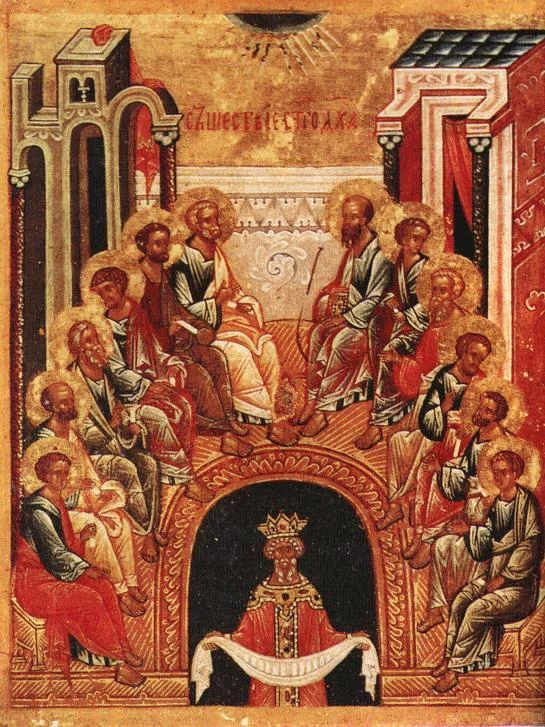
The Church calendar
The Church calendar brings the commemoration of saints and saving events into the life of prayer. Fixed feasts, the Paschal cycle and the readings for particular services give shape to the Church year.
Read more →
Make space for daily prayer
Prayer joins the ordinary hours of life to the presence of God. A simple, faithful rhythm helps a person offer thanksgiving, ask for mercy, remember others and grow in the prayer of the Church.
Read more →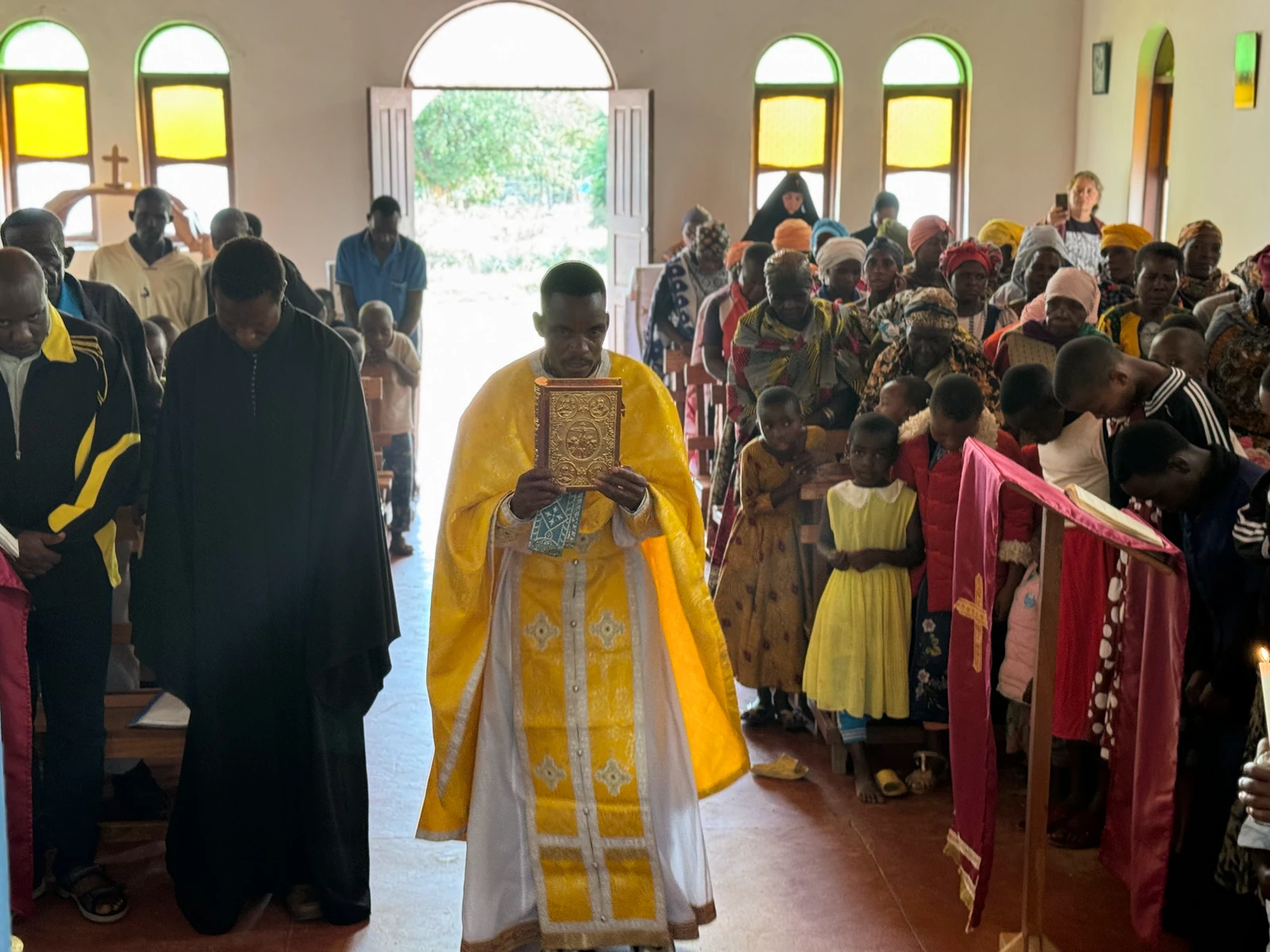
Ask for pastoral guidance
A personal conversation connects your questions with the life of a parish and your own circumstances. Begin with a request for a meeting and bring the questions you wish to explore.
Read more →