
Recognising Christ in our neighbour
In Matthew 25, Christ calls His people to feed the hungry, welcome the stranger, care for the sick and visit the prisoner. Community care begins with this recognition of Christ in our neighbour and grows through the attention we give to one another.
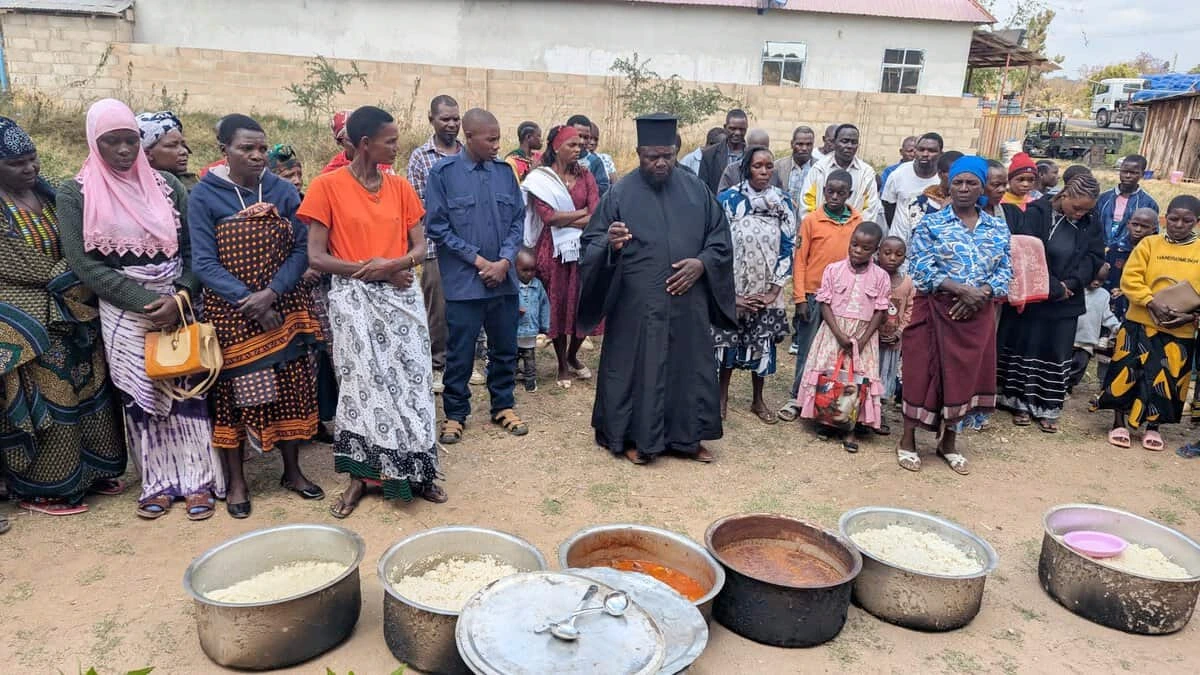
A February 2026 report from Kindamali connects the Gospel of the Last Judgment with a meal shared after the Divine Liturgy. Families, older people and children gathered at one table. The event gives a local setting to the passage’s meaning, through worship and hospitality that meet in a common occasion.
Sources: Matthew 25:31–46 · The ‘least of our brethren’ at the heart of the church’s pastoral care and ministry
Meals within parish and village life
The mission's community care includes food support at the centre, fellowship meals after services and parcels of essential supplies. Around a common table and through help with household needs, the Church shares in the daily lives of the people it serves.
Reports from March and May 2026 name meals at village parishes including Ingagkimale, Kimbembe, Nyamihu and Nzihi. Church groups, families and individual supporters helped provide them. The work also depends on those who obtain ingredients, prepare food, welcome people and clean up afterwards.
Sources: SOUP KITCHENS – CHARITY MEALS - Ιεραποστολική Στέγη · We continue to support the daily struggle for the alleviation of hunger and poverty in Africa. · Meals of Love in Central Tanzania by the “Missionary Shelter”
Visits and practical support
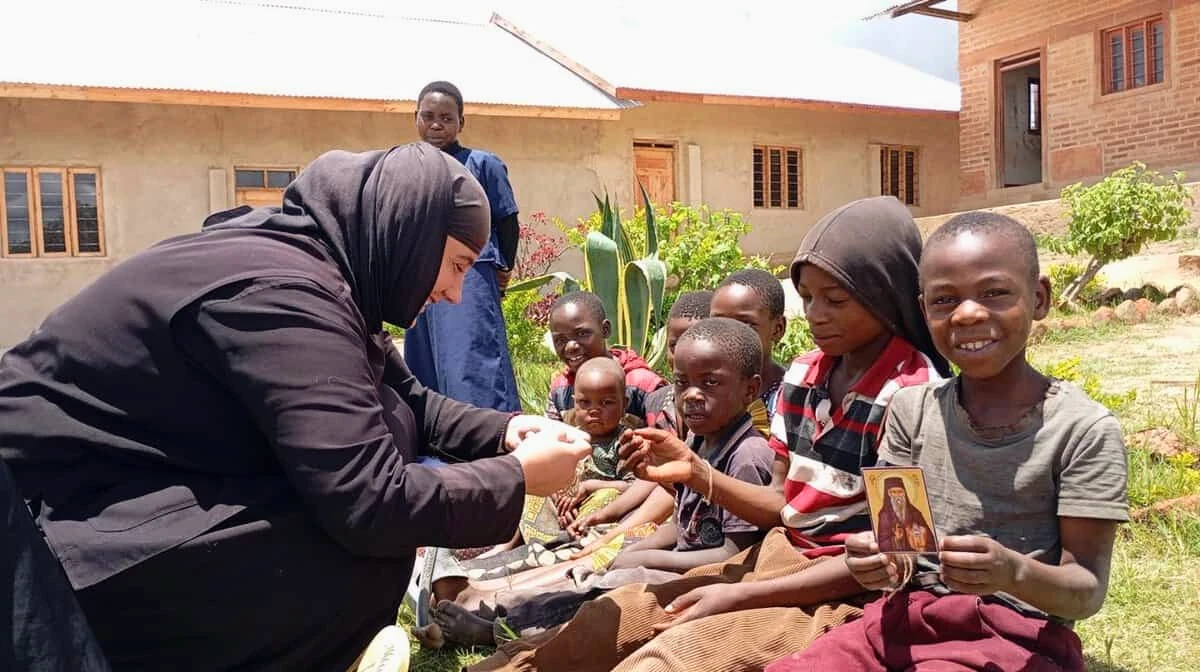
In August 2026, the sisters visited the Center of Hope for Young Mothers and Children in the Iringa area with food and school materials. Time with the families accompanied the practical support, strengthening a relationship with the people and the institution.
A separate account follows clothing and footwear sent by container and distributed through parish visits in Mkobe. It shows one connection between people offering goods elsewhere and the clergy and sisters serving communities locally. The value of an item depends on its suitability and the care with which it reaches its intended use.
Sources: The Holy Metropolis of Arusha stands beside struggling mothers and children in Central Tanzania · Love that crosses oceans: The mission containers
Understanding and supporting a particular activity
Visitors can explore meals, schools, water projects and other named work through dated reports and project pages. The detail of a particular place helps explain how community care takes shape and who shares responsibility for it.
A first enquiry can identify the ministry or project and describe an interest in learning more or offering appropriate help. Current priorities, receiving arrangements and suitable goods should be discussed before anything is collected or sent. The aim is steady service that fits the community’s circumstances and respects the people involved.
Sources: Collection of supplies for the shipment of a humanitarian container to Tanzania
Sources and further reading
- Matthew 25:31–46
- The ‘least of our brethren’ at the heart of the church’s pastoral care and ministry
- SOUP KITCHENS – CHARITY MEALS - Ιεραποστολική Στέγη
- We continue to support the daily struggle for the alleviation of hunger and poverty in Africa.
- Meals of Love in Central Tanzania by the “Missionary Shelter”
- The Holy Metropolis of Arusha stands beside struggling mothers and children in Central Tanzania
- Love that crosses oceans: The mission containers
- Collection of supplies for the shipment of a humanitarian container to Tanzania